Posted on

How To Get An Accurate Crane Quote


Every crane that we provide is specifically designed to suit the customer’s operations. For example, not all 10T crane quotes are the same. So specifying as much information about what you will use the crane for, the maximum load, lifting height, span, and more will help us you provide you with a more accurate crane quote and a faster response too.

What You Are Lifting?

What products you’re lifting and the shape of them may influence the decision of which crane is best for your business, and whether there is a need for a lifting or spreader beam. Lifting and spreader beams help to handle awkward loads in a balanced manner. Another example is wider products such as the image below of a client lifting large timber panels that required a claw-like addition to be able to lift safely and precisely.


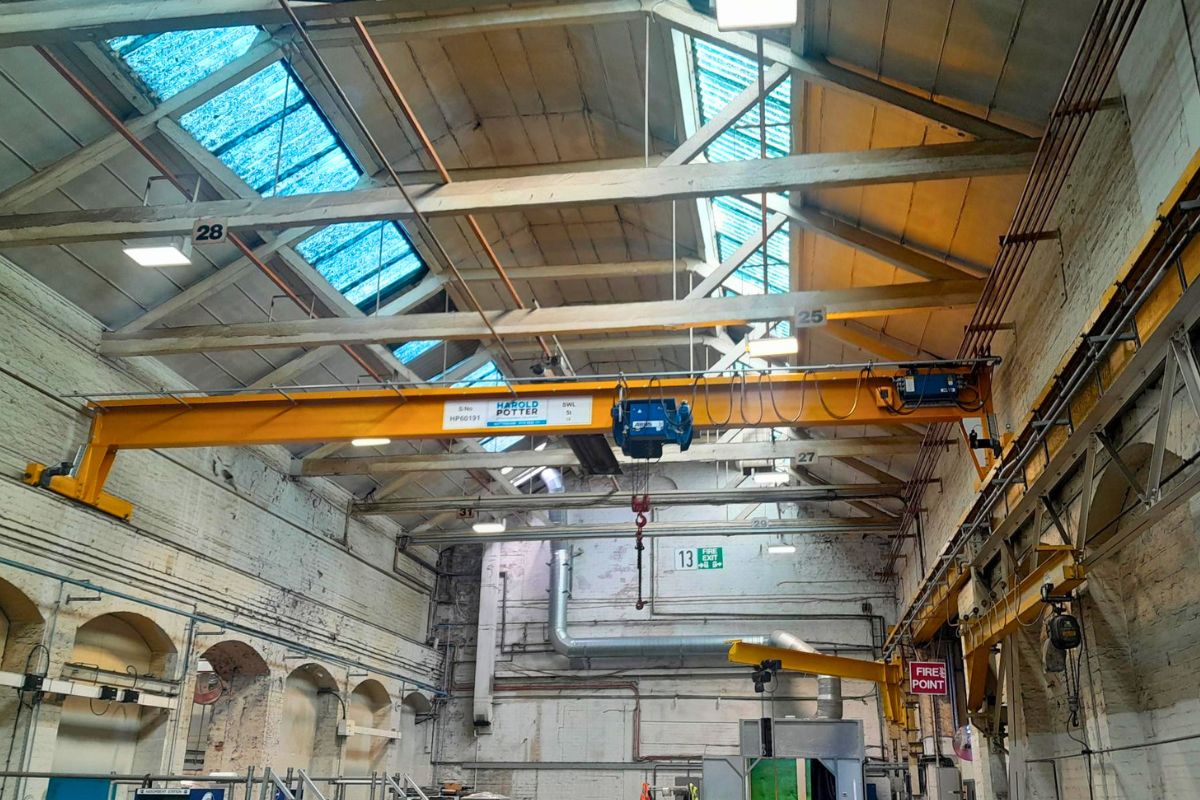
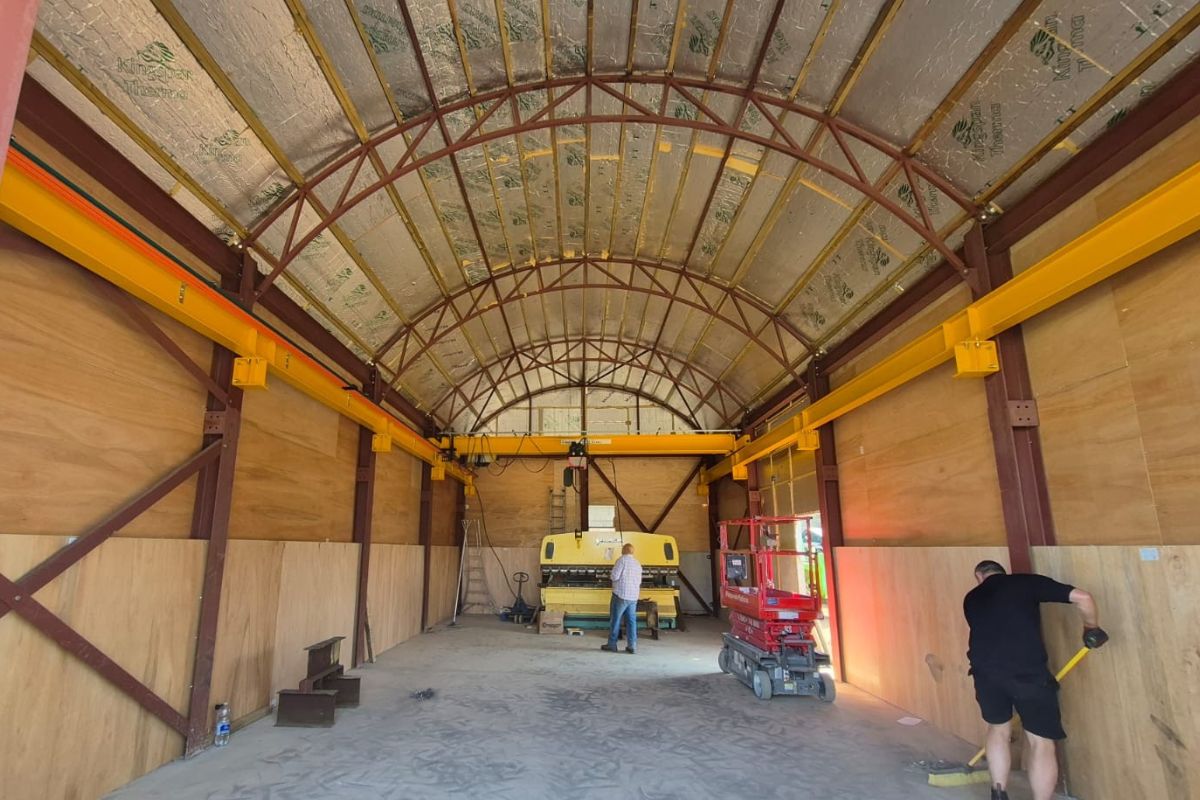
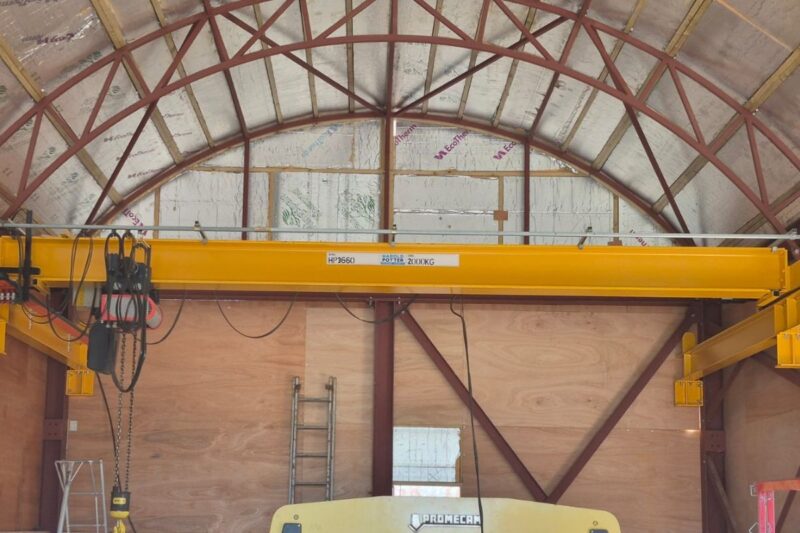
1T SWL Overhead Crane Installation

The Maximum Weight Of The Load

The maximum weight of what you will be lifting is key. Weights may vary depending on the industry you’re in and what you’re lifting. But, in case of any future increases in weight, it’s better and important, to ensure your crane can safely handle the heaviest load and not the average. You can read more about crane weights and Safe Working Load (SWL) from our Crane Guides.


Lifting Height

The lifting height may determine whether single girder or double girder is required, which in turn may decide what hoist is necessary. Other considerations include the available floor space, are there any obstructions which would influence the lifting height? For example, is there other machinery in the area which would obstruct? If the crane is indoor, the height of the ceiling will also be a factor of how high the crane can lift


Span

The span is the distance between the crane’s runway beams. Knowing the approximate span is essential, as it determines the size of the crane and influences both its design and overall cost. A longer span generally requires a larger bridge structure and may affect the crane’s lifting capacity, supporting steelwork and installation requirements.

If you don’t know this exactly, then building drawings will help us to understand the span required.


Usage Frequency

The usage frequency of the crane may mean we recommend double girder to relieve the stress off one beam, or stronger systems may be required. For example, a 10T crane that is used once or twice a week will wear much less than a 10T crane that is used every hour of the working day, every week. Helping us to understand this can allow us to make a better judgement on the specifications required for your crane.


Indoor or Outdoor

The environment in which a crane operates plays an important role in its design. While the lifting capacity may remain the same, an outdoor crane could require additional features to ensure it can operate safely and reliably in changing weather conditions.

For example, in our 12.5T Goliath crane installation, the specification included travel warning beacons, storm anchors, wireless remote controls and an anti-collision system with long and cross travel buffers. These features were selected to suit the customer’s operating environment and improve both safety and reliability.


Goliath Crane


Building Structure

If your crane will be installed indoors, understanding the building itself is just as important as understanding what the crane will be lifting.

The size and construction of the building can influence the type of crane that is suitable and how it will be installed. Information such as the building width, available headroom, roof height and the location of existing machinery all help us determine the most appropriate crane solution. It can also help to understand the building foundations and whether it would with stand additional steelwork to support the crane.


Is It Replacing An Existing Crane?

If you’re replacing an existing crane rather than installing one in a new building, letting us know can help speed up the quotation process.

In many cases, an existing crane can provide valuable information about the current installation, including the lifting capacity, span, lifting height and runway arrangement. It also helps us understand whether the existing supporting structure may be suitable for a replacement crane or if modifications could be required.

It is helpful to tell us as much about the existing crane as possible. Why the crane is being replaced, for example due to age, increased lifting requirements, reliability issues or changes to production.


Don’t have all of this information?

That’s fine. This is just a guide as to what helps us provide you with a quicker and more accurate quote. If you have none of this information available and want a quote, that’s fine, get in touch! If you have some information, then great, tell us all about it and we’ll design a solution for your business. We manage every quote the same, whether it’s full of information or not, so don’t hesitate to get in touch today.


You can fill in our contact form below

Alternatively, call us on 01159 838311.

Posted on

What Influences The Cost Of A Crane?

Crane prices are variable depending on a multitude of factors. The type of crane you choose whether than be an Overhead Crane, Gantry Crane, Goliath or Semi-Goliath Crane, or Swing Jib Crane is predominantly a huge factor in price. Larger cranes such as goliath cranes with a longer span and higher Safe Working Loads (SWL) will cost much more than a swing jib crane with a 500kg SWL for example.

There is no fixed price for a type of crane as each crane is designed specifically to an application. Other factors include additional steelwork, any changes to the building’s foundations, different hoists, single girder vs double girder and more.

Safe Working Load

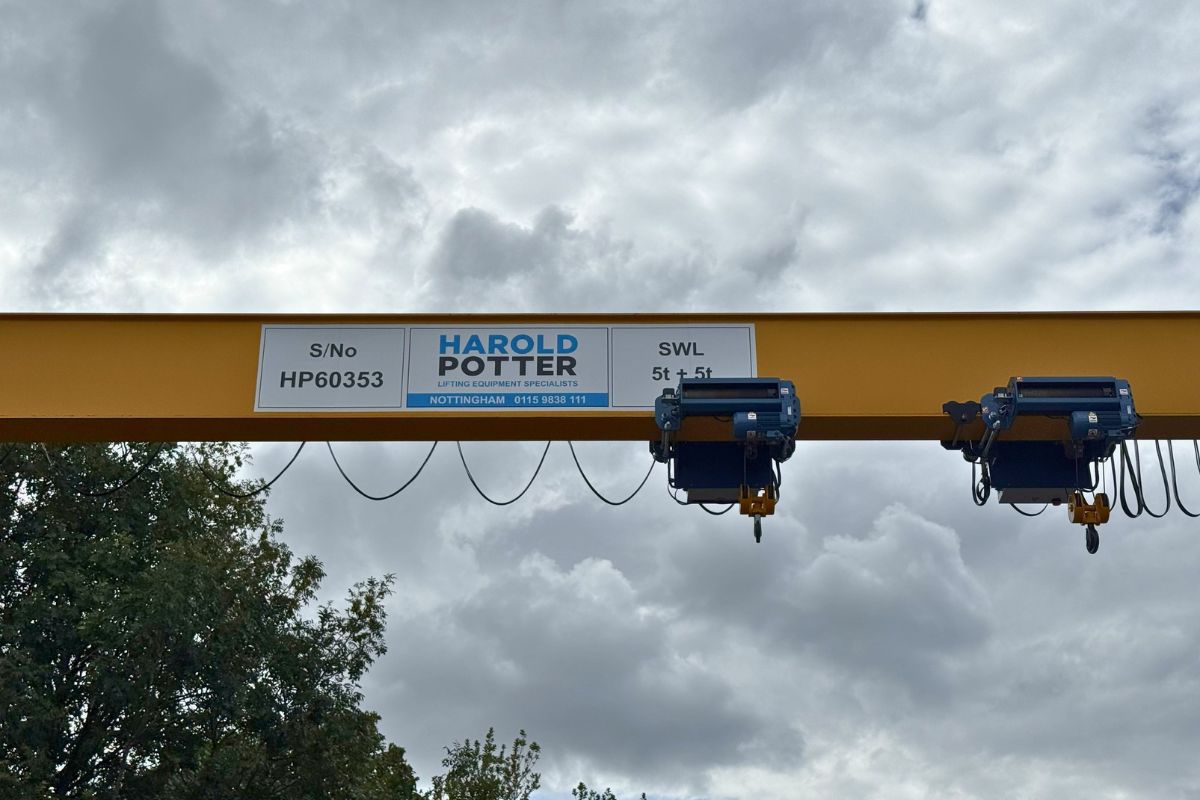
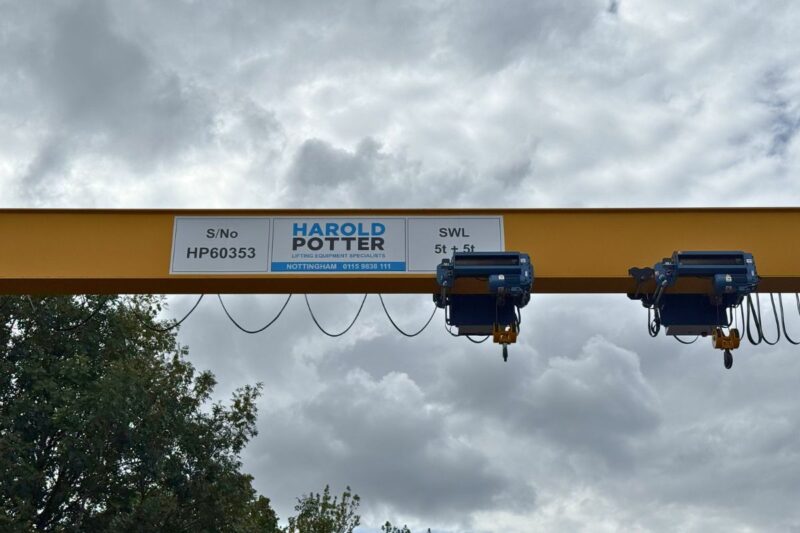
Safe Working Load is the maximum load a crane can safely lift, carry, or lower under normal operating conditions. The SWL is set by the manufacturer and must never be exceeded during lifting operations.

SWLs vary depending on the type of crane and its intended application. A crane used to lift heavy steel fabrications in a manufacturing facility or large materials in a yard will require a much higher SWL than one used to lift small pallets or components during a production process. As the crane’s lifting capacity increases, so does the amount of steel, engineering, and supporting structure needed to safely handle the load. This typically results in a higher overall crane cost.


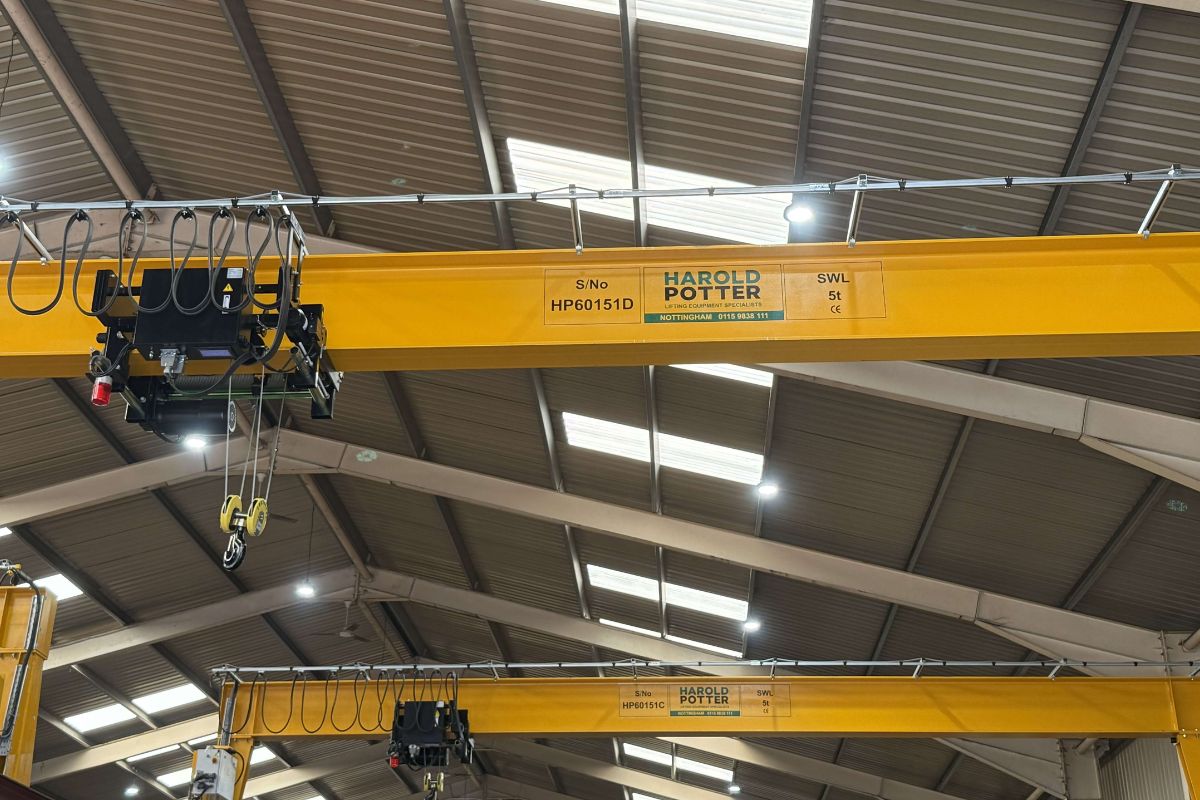
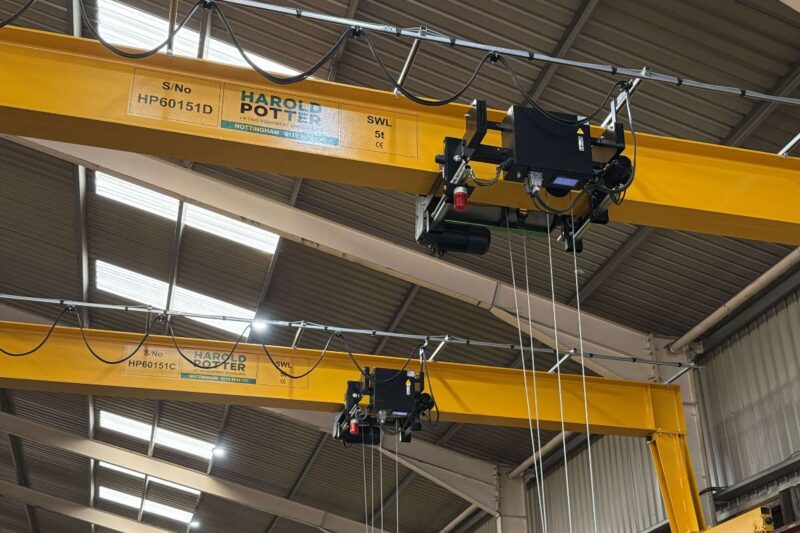
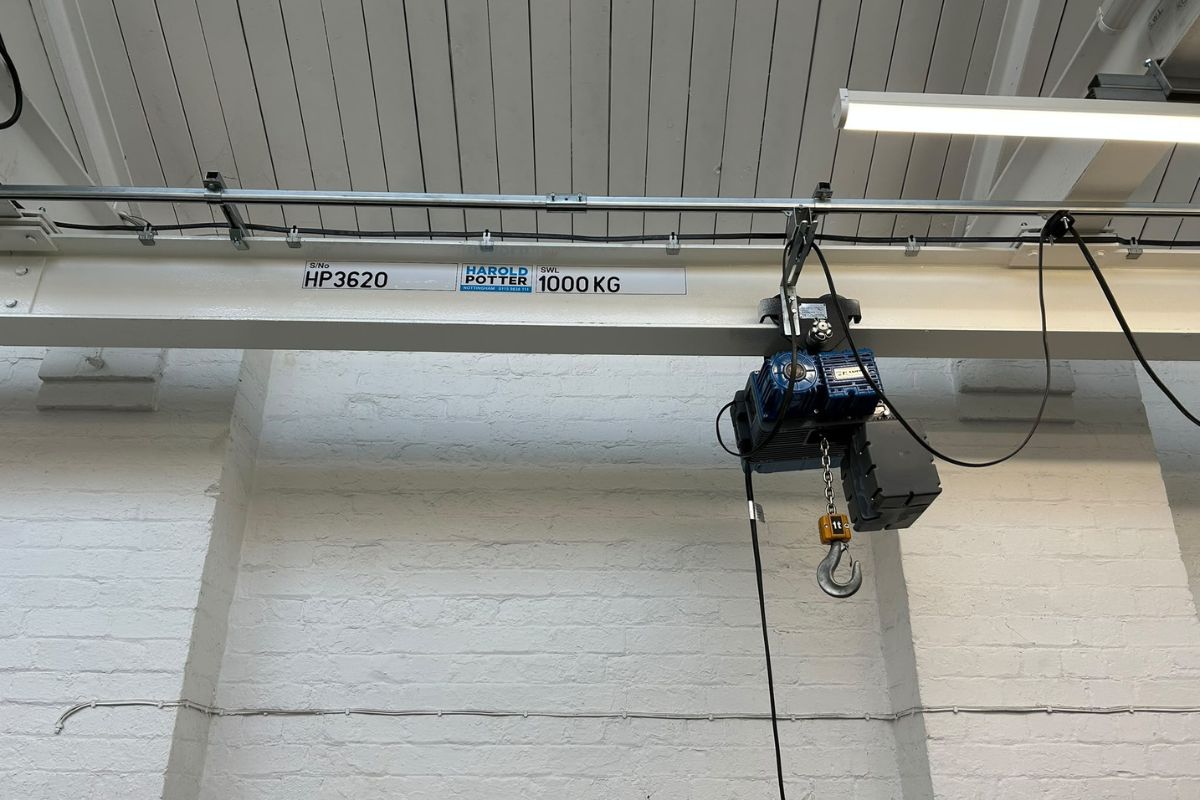
crane SWL sticker

Span

The span is the distance between the crane’s runway beams. A longer span means the crane must bridge a wider gap, requiring larger and stronger steel girders to safely support the load. As more materials and engineering are needed, the overall cost of the crane increases. Span is an important factor for overhead, gantry, goliath and semi-goliath cranes. For swing jib cranes, the length of the jib arm is the equivalent factor affecting cost.

Lifting Height

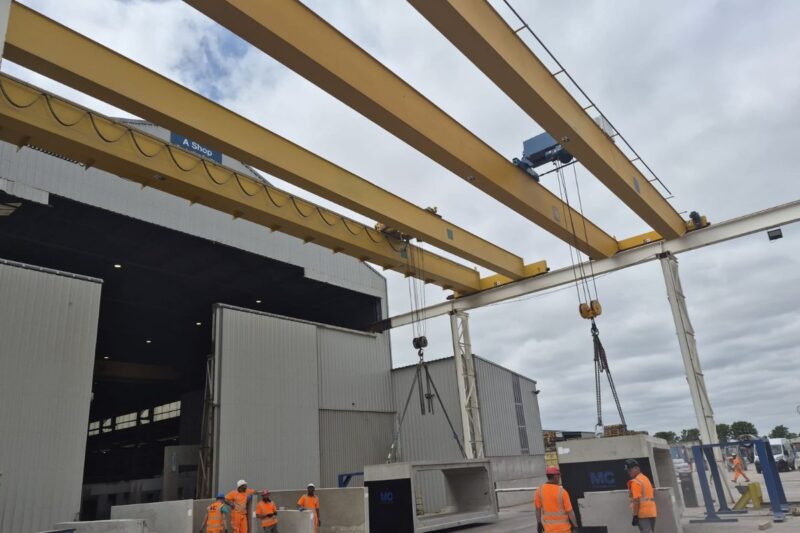
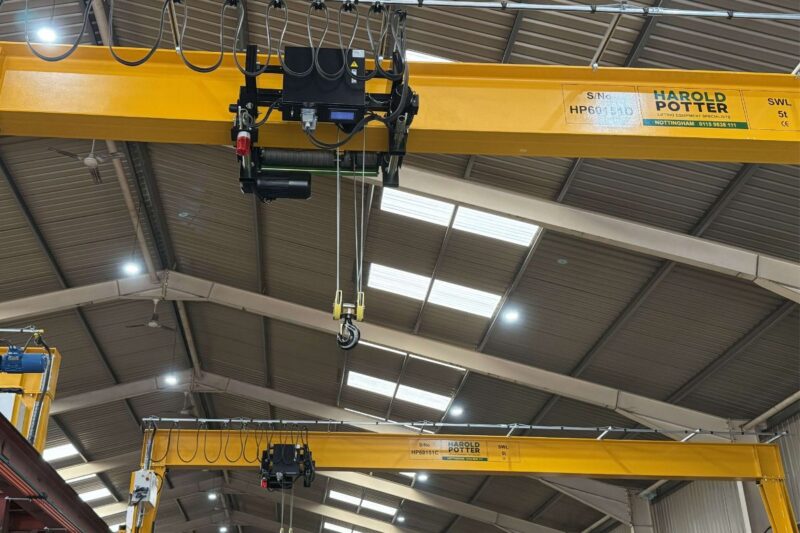
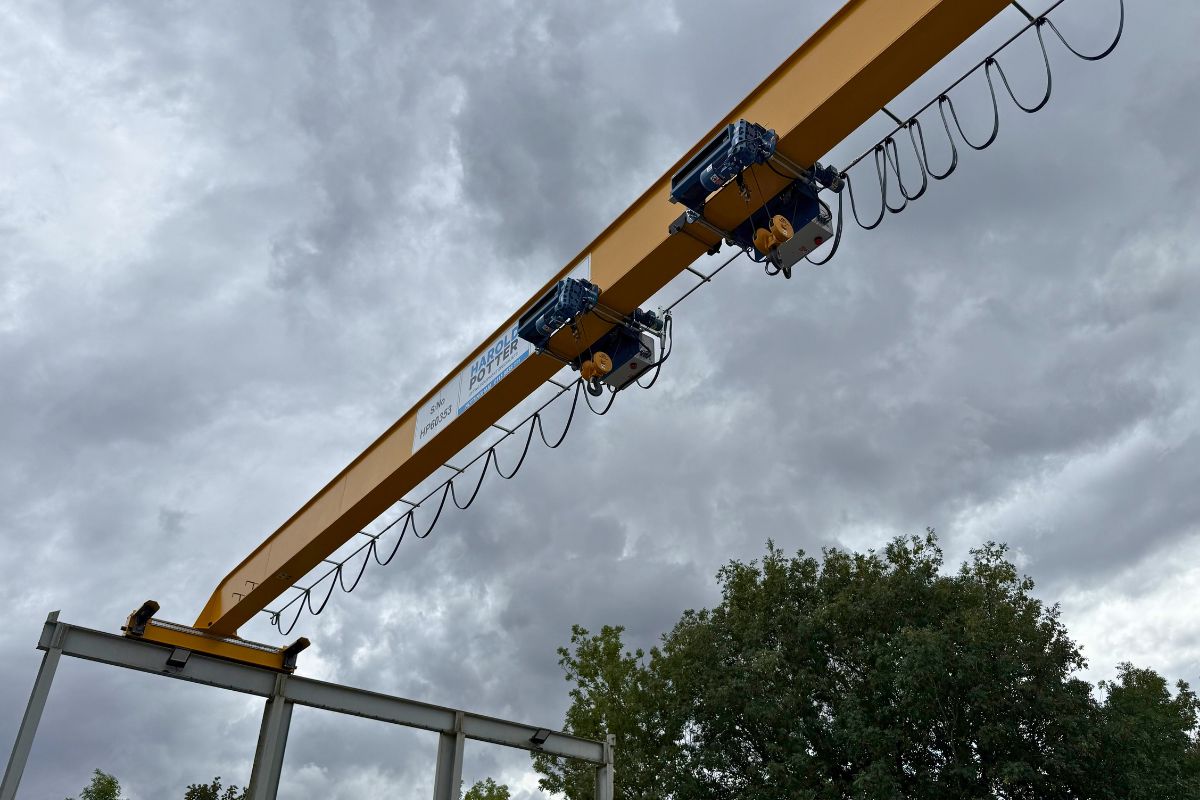
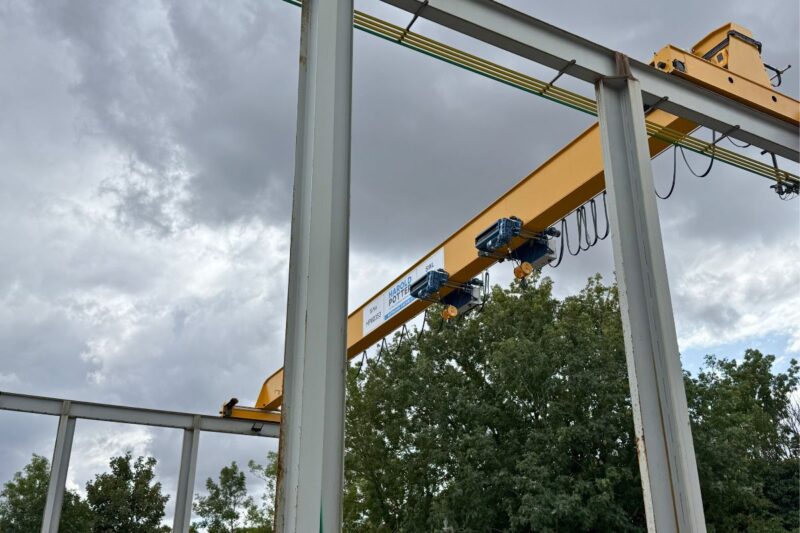
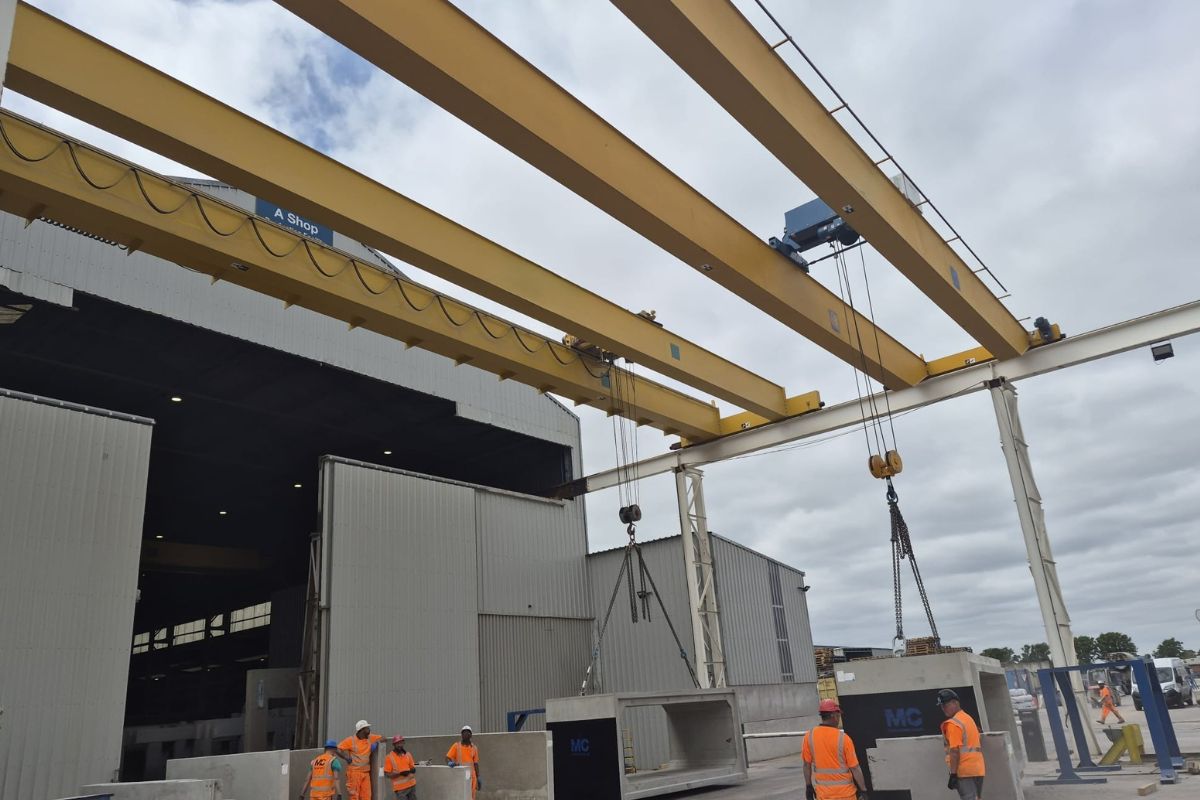
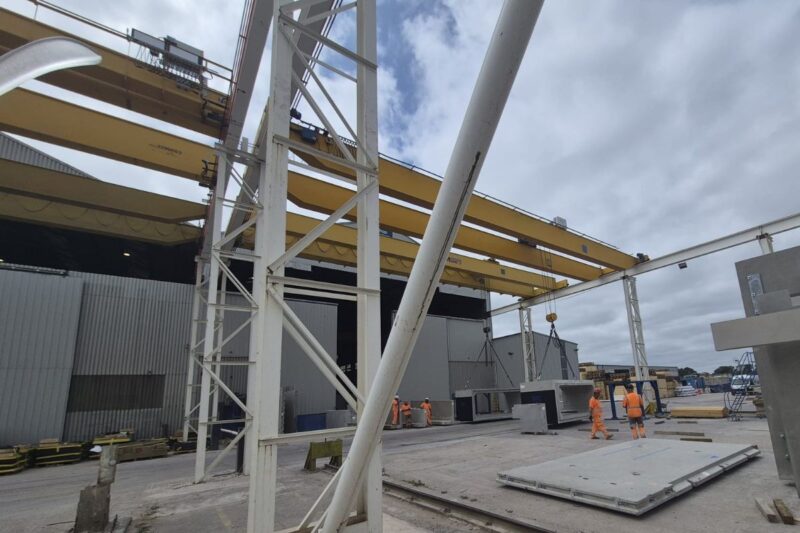
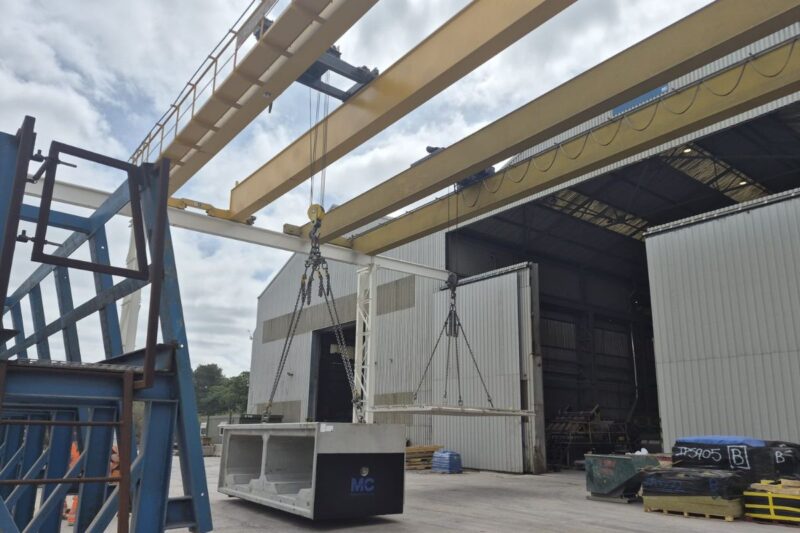
A lot of the variables follow similar patterns where if there is a requirement for extra steelwork or any further specialised design. In the case of lifting height, a higher lifting height may require a different hoist selection, or design solutions to stool up the bridge girder as we did for this installation of 4x5T overhead gantry cranes. Further alterations may come in the form of building modifications to extend the height of the building. This will drive up the price much more compared to a different hoist selection and may require a 3rd party.

Single Girder vs Double Girder

Single girder cranes typically cost less than double girder cranes. The simplest reason being that a single girder only uses one beam, whereas a double girder uses two so there’s less steel used. Single girders are used for lower lifting capacities in smaller overhead and gantry cranes whereas double girders are used for heavier lifting so naturally a more complex crane that is designed for heavier lifting will cost more.

Additionally, like other factors which influence the cost of a crane, the structural design is a big factor. In some cases, depending on workshop, bay space or the impact of the weight on the building or steelwork, both single and double girder solutions may work but the double girder solution may be recommended due to protecting the longevity of the crane by splitting the load across two girders rather than maxing a single one out.

Double girder solutions will likely also grant you extra lifting height as the hoist sits on top of the beams which may or may not be necessary in your case, it is business dependent.


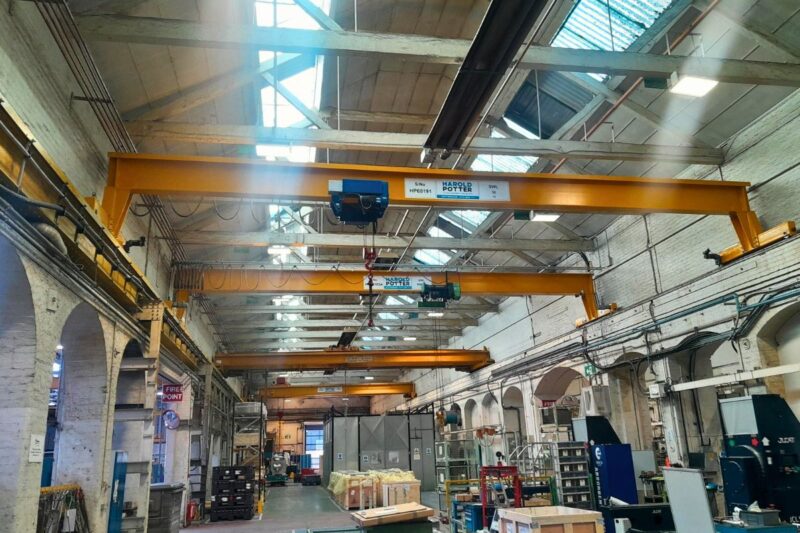
Double girder overhead crane

Duty Classification/Usage Frequency

Frequency of use, also known as the crane’s duty classification, has a significant impact on cost. A crane used occasionally or one that does light lifting does not need to be built to the same specification as one operating continuously in a busy manufacturing facility that lifts heavy loads. Cranes designed for frequent or heavy-duty use require more robust components to withstand the increased workload, resulting in a higher overall cost.

For example, a single girder crane carrying heavy loads frequently is placed under greater structural stress than a double girder crane lifting the same load. A double girder design distributes the forces across two main girders, creating a stronger and more rigid structure that is better suited to heavier loads, longer spans and more demanding applications.

Crane that are used 24/7 or used heavily will also require more frequent inspections and servicing to ensure all the components of the crane are safe and operating how they are designed to be.

Installation and Transport

Installation and transport can have a significant impact on the overall cost of a crane. Larger cranes, such as goliath cranes with long girders, are more complex to transport and often require specialist haulage, lifting equipment and additional planning. Installation can also vary depending on the site, with factors such as access restrictions, additional steelwork, runway systems and building modifications all affecting the time and labour required. In comparison, smaller cranes such as swing jib cranes or lightweight gantry cranes are generally quicker and simpler to transport and install, helping to reduce overall project costs.


crane transportation

Future Costs

When budgeting for a crane, it’s important to consider the ongoing costs as well as the initial purchase price. Regular servicing and LOLER inspections are essential to keep the crane safe, reliable and compliant. Cranes that operate frequently or in demanding environments typically require more regular maintenance and inspections than those used only occasionally, resulting in higher long-term running costs.

How To Get an Accurate Crane Quote

The best way to get an accurate crane quote is to provide as much information as possible about your lifting requirements. This includes the type of materials you need to lift, the maximum Safe Working Load, whether the crane will be used indoors or outdoors, the available headroom, the required span and any other site-specific requirements.

Arranging a site visit allows our team to assess your premises, discuss your operational needs and determine whether there are multiple crane solutions that could suit your application. This helps us provide the most accurate quotation possible, allowing you to budget for your investment with confidence.

The more information you can provide, the more accurate and tailored your quote will be.

You can fill out our contact form below or call us on 01159 838111.

Posted on

1T Capacity Swing Jib Crane – Hertfordshire

Our team recently manufactured and installed a new 1T capacity Swing Jib Crane after a total in-house fabrication. The crane has a height of 4.5m from the underside of the beam to the finished floor level. The radius of the arm is 4.25m, with a manual slew, an electric hoist, and an electric travelling trolley. This Swing Jib Crane was installed for a customer in Hertfordshire.

1T Swing Jib Installation

If you’re looking for a new crane that’s designed specifically to your operations, contact us today.

Posted on

What’s the difference between an Overhead Crane and a Gantry Crane?

Overhead Cranes and Gantry Cranes are two of the most popular cranes in the industry and although they do a very similar job in terms of heavy industrial lifting, they do have their differences. It’s important to know the difference between an Overhead Crane and a Gantry Crane before choosing one for your operations. In many situations, it might be what you’re lifting, moving, and manufacturing which makes the choice of Overhead or Gantry for you. Your building structure and size will likely also play a part in that decision.

What is an Overhead Crane?

An Overhead Crane is a type of industrial lifting system used to lift, lower, and move heavy loads horizontally across a workspace. Overhead cranes are commonly installed in factories, workshops, warehouses, and manufacturing facilities where regular heavy lifting is required. The crane operates on elevated runway beams and uses a hoist and trolley system to transport loads safely and efficiently around the working area. Overhead cranes are designed to improve lifting safety, reduce manual handling, and increase productivity in industrial environments.

What is a Gantry Crane?

A gantry crane is a type of overhead lifting crane designed to move heavy loads across a working area. Depending on the application, gantry cranes can be fully supported by their own legs running on ground-mounted rails or be designed as overhead gantry cranes that operate on elevated runway beams within a building.

What are the main differences between an Overhead Crane and a Gantry Crane?

Operation

Overhead cranes operate on elevated runway beams inside a building structure. Gantry cranes are often mobile and are self-supported by their own legs and often don’t rely on building structure. However, in some cases, gantry cranes may run on wheels on elevated gantry steelwork and look similar to an overhead crane. The image below shows an example of this where the crane has been stooled up on the gantry steelwork to provide further lifting height.

Mobility and Floor Space

Overhead cranes a permanently fixed to the elevated runway and aren’t mobile. Due to the fact overhead cranes operate on elevated runway beams they leave the floor space free in your workshop. This allows space for other machinery, other cranes that can work in conjunction with overhead cranes such as swing jib cranes, and more space for your engineers/operators. Gantry cranes are more flexible as they can operate on wheels or rails to move to different locations in and around the working area. However, the legs and rails they operate from may prove difficult to work around in some instances, minimising floor space in your working area.

Installation and Environment

Overhead cranes will often require a longer design and installation process to ensure the existing building structure is strong enough to meet the weight of the crane itself, along with the added weight of the crane’s accessories and what it will be lifting. In most cases, at Harold Potter, we design a solution that meets the structural demands, added steelwork may be required. Overhead cranes are primarily designed for solutions that are indoors although they can be provided outdoors.

Gantry cranes on the other hand rarely need as long a process or changes to your building structure as they operate on wheels or rails mounted to the ground. They are self-supporting and handle the weight load of the crane beam, and what it’s lifting through its own legs, which are often designed in an A shape. Gantry cranes are found outdoor more often than overhead cranes due to the reliance of existing structure for overhead cranes.

Gantry cranes are applicable in both indoor and outdoor workplaces, however smaller gantry cranes that are designed for indoor use aren’t the best option for outdoor work. This is due to the added variable of the weather which will impact a crane’s performance and durability. It’s likely for heavy-duty outdoor lifting that standard indoor gantry cranes can’t handle, that a goliath crane will be advised. Goliath cranes are a much larger form of gantry that is specifically engineered to manage factors such as the wind and rain, while maintaining maximum safety.

Lifting Capacity

Overhead cranes on average will typically offer you a greater lifting capacity compared to a gantry crane. However, gantry cranes provide a wider range of lifting capacities if you include huge heavy-duty goliath cranes that can lift up to hundreds of tonnes. Both overhead and gantry cranes provide good lifting capabilities at common weights for businesses from 500kg to 10 tonnes, but overhead cranes are chosen more the heavier lifting in that weight bracket. Some of our recent case studies show examples of overhead cranes being used for 3.2T and 7.5T & 8T lifting.

Cost

The cost of overhead cranes and gantry cranes aren’t set in stone and are dependent on an abundance of factors ranging from the crane itself, the hoist, added steelwork, the span and wheels on the runways, and the foundations of your building. Crane costs are variable, but factors such as higher lifting capacity, single vs double girder and other variables requiring more materials will come with a higher cost.

Overhead vs Gantry Crane Summary

Both overhead and gantry cranes are top choices for businesses throughout the UK. There is no right or wrong on which is better, it just depends on which crane suits your business the best. The main difference between the two are the operation with overhead cranes relying on existing building structure, whereas gantry cranes are free-standing. Other differences are the mobility and floor space, along with the installation process with gantry cranes providing more mobility, overhead cranes providing more floor space and the installation process of an overhead crane is more likely to be longer due to potential of added steelwork to support the crane.

If you require an Overhead Crane or Gantry Crane for your business, contact us today.

Posted on

12.5T SWL 30m Span Goliath Crane – JRL Trent Precast, Skelmersdale

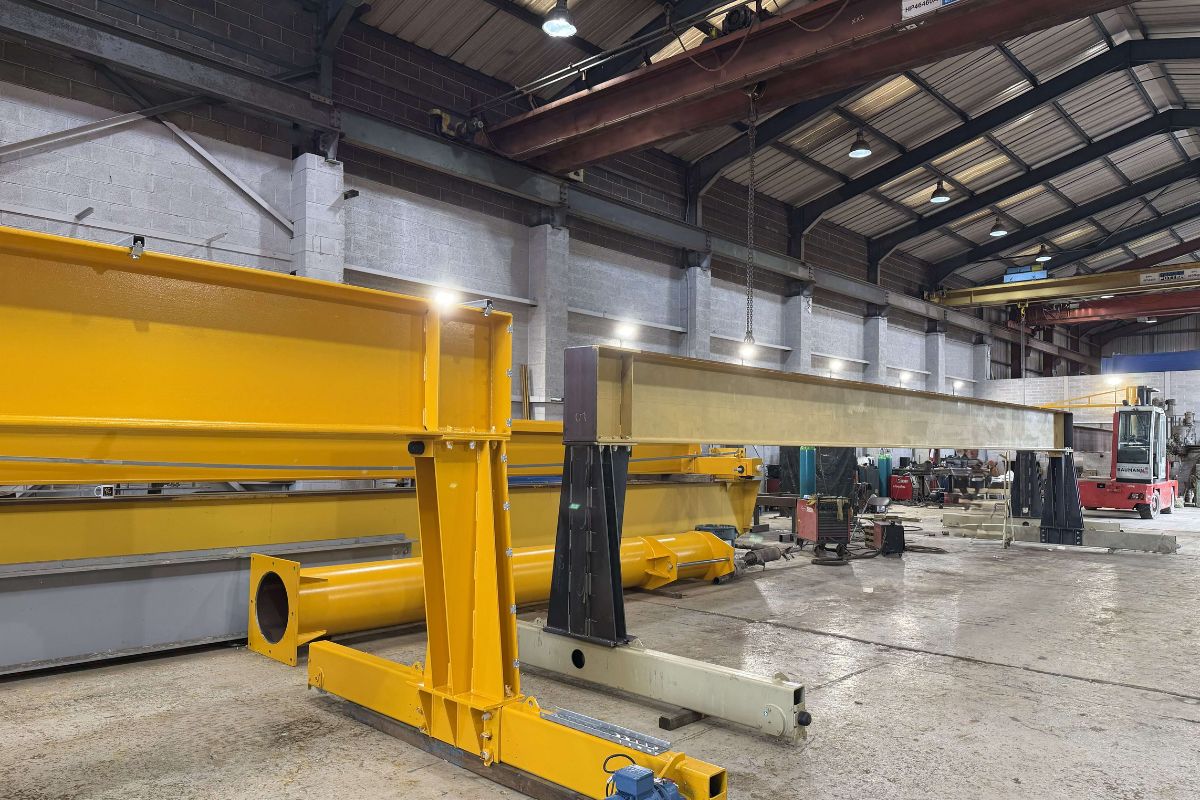
We recently completed an installation of a 12.5T Safe Working Load (SWL) Goliath crane with a 30 metre span at JRL Trent Precast in Skelmersdale. The crane was installed with travel beacons, storm anchors, wireless remote controls, and anti-collision sensors to prevent unwanted collision with long travel and cross travel buffers.

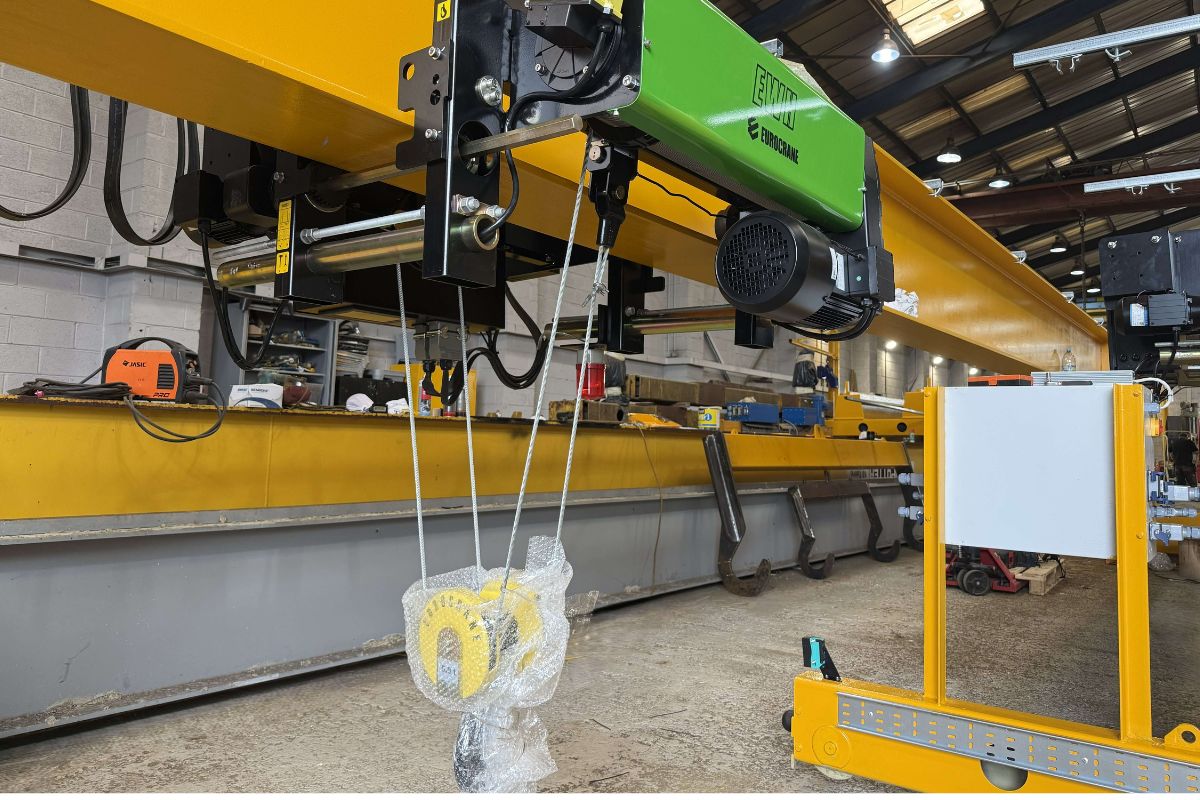
In the images below you can see the main beam leaving our workshop in Mansfield.

goliath crane in workshop

Contact us if you require cranes for your business by filling in the contact form below or by calling 01159 838 111.

Posted on

4x5T Overhead Gantry Cranes – WH Davis Derbyshire

We have installed 4x 5T Safe Working Load (SWL) Single Girder Overhead Gantry Cranes. These are new cranes, where we have designed a solution to allow for additional lifting height by stooling the cranes up, as seen in the images. The cranes have been fitted with our latest technology, including: anti-collision sensors, slow down stops at the end of the gantry, remote controlled movement of the cranes and hoist, and the new load monitor hoist which displays the weight lifted digitally on the hoist. The load monitor hoist will also alert the operators if they have exceeded the recommended maximum load, reinforcing operator safety .

load monitoring crane hoist


tandem lifting cranes

Our team have done a great job from the design & manufacturing through to the upgrades and installation on these Overhead Gantry Cranes.

Contact us if you require cranes for your business by filling in the contact form below or by calling 01159 838 111.

Posted on

What If My Crane Parts are on a Long Delivery? Solutions for Urgent Crane Repairs

When an overhead crane breaks down, every hour of downtime can impact productivity, project schedules and revenue. One of the biggest challenges that businesses face is discovering that a critical crane spare part is on a long delivery lead time. In some cases, manufacturers may quote several weeks or even months before replacement crane parts become available.

So, what happens if your crane parts are on a long delivery and your business needs them urgently?

At Harold Potter, we hold extensive stocks of obsolete crane spares that can significantly reduce downtime when replacement parts are difficult to obtain.

Why Are Some Crane Parts Difficult to Obtain?

Many overhead cranes and lifting systems remain in operation for decades. While this demonstrates the durability of industrial lifting equipment, it can create challenges when crane spare parts eventually require replacement.

Some crane components become difficult to source because the original manufacturer no longer produces them. In other cases, the crane model itself may have been discontinued, or the component has become obsolete. Supply chain disruptions, overseas manufacturing and specialist electrical equipment can also increase delivery times.

At Harold Potter, we regularly help customers source replacement crane components that are no longer readily available through original manufacturers. Our extensive stock of crane spare parts and obsolete crane spares allows us to support equipment from a wide range of manufacturers.

What Should I Do If My Crane Needs Parts Urgently?

If your crane is out of service due to a failed component, the first step is to identify the exact crane part required.

At Harold Potter, we can often determine whether the required crane spare is available from stock, whether an equivalent component can be supplied, or whether an obsolete crane part can be sourced from our existing inventory. In some cases, refurbishment or upgrading to a modern replacement component may also be possible.

The sooner the issue is identified, the sooner replacement crane parts can be sourced and downtime reduced.

Can Obsolete Crane Parts Still Be Found?

Yes. Many obsolete crane spares can still be sourced even when the original manufacturer no longer supplies them. Over many years, we have built up a large inventory of discontinued crane parts. In many situations, sourcing a replacement part from stock can reduce downtime from several months to just a few days.

Do Harold Potter Stock Obsolete Crane Spares?

Yes. We stock a wide range of crane spare parts, replacement crane components and obsolete crane spares for many different crane manufacturers.

Through decades of crane design & manufacture, refurbishment and servicing, we have built an extensive inventory of crane parts that includes both current and discontinued components. This allows us to support customers operating older cranes as well as modern lifting equipment.

Our team regularly assists businesses that require urgent crane spares, hard-to-find crane components and replacement parts that are no longer supported by the original manufacturer.

What If My Crane Manufacturer No Longer Exists?

This is a common concern, particularly for older overhead cranes and hoists. Even if the original crane manufacturer no longer trades, replacement crane parts may still be available.

In many cases, equivalent components can be sourced or adapted to suit the existing equipment. Where original parts are completely unavailable, modern replacement systems or upgrades may provide a practical long-term solution.

How Can I Reduce Future Downtime?

Businesses can minimise crane downtime by taking a preventative approach to maintenance and spare parts management.

Routine crane servicing and planned preventative maintenance help identify ageing components before they fail. Regular inspections can also highlight parts approaching the end of their service life, allowing replacement crane spares to be sourced before they become a problem.

For critical lifting equipment, keeping key crane spare parts readily available can significantly reduce disruption should a failure occur. At Harold Potter, we can also advise on commonly replaced crane components that may be worth holding in stock.

Contact Us

If your crane is out of service and replacement parts are on a long delivery, we can help. Our experienced team can help identify hard-to-find crane parts, source suitable replacements and minimise costly downtime.

Contact our team today to discuss your crane spare parts requirements and get your lifting equipment back in operation as quickly as possible.

Posted on

What Happens If You Have No Power? Understanding Manual Crane Operation

For many businesses, overhead cranes are an essential part of daily operations. Whether you’re lifting steel fabrications, machinery, tools, heavy materials or industrial equipment, a crane helps improve productivity, safety, and efficiency. If unexpectedly the power to your operations becomes faulty or goes out, you may find yourself asking some of these questions below:

What happens if our power goes out?

If your crane relies on electrical power for lifting and travel motions, a power failure can bring operations to a standstill. Fortunately, there are solutions available, including manually operated cranes and manual chain control systems that allow lifting equipment to continue functioning when electrical power is unavailable.

In these situations, businesses may experience delays in production and unexpected downtime. To reduce operational disruption, many organisations choose to install cranes that incorporate manual backup operation or use manual chain hoists as part of their lifting equipment strategy.

Can Overhead Cranes Operate Without Electricity?

Yes. While many modern overhead cranes are electrically powered, cranes can also be operated manually.

A manual overhead crane uses hand-operated chain systems to perform lifting and travelling movements. Instead of pressing buttons on a pendant control or wireless remote control, the operator pulls chains to move the load.

Manual cranes provide a simple and reliable lifting solution where electrical power is unavailable or unnecessary.

What Is a Manual Chain Hoist Crane?

A manual chain hoist crane uses a hand chain to raise and lower loads.

The operator pulls the chain, which drives a geared lifting mechanism inside the hoist. This allows heavy loads to be lifted with relatively little effort while maintaining excellent control. Manual chain hoists are commonly fitted to overhead cranes, gantry cranes, and jib cranes. Despite being manually operated, these systems can safely handle substantial lifting capacities when correctly specified.

How Does a Manual Overhead Crane Move Left and Right?

In addition to lifting and lowering loads, a manual crane can also move horizontally.

A manually operated trolley travels along the crane beam using a second chain. By pulling the second chain, the operator can move the load along the span of the crane without the need for electrical power.

Depending on the crane design, manual operation can include Manual hoist travel which moves the load left and right along the beam, manual bridge travel which moves the entire crane along the runway, and manual lifting which raises and lowers the load using a chain hoist.

Do Harold Potter Cranes Include Manual Operation?

At Harold Potter, we design and manufacture overhead cranes, gantry cranes, goliath, and semi-goliath cranes and lifting equipment to suit the exact requirements of each customer.

Most modern crane installations utilise electric hoists, and remote controls to maximise efficiency. However, we can also supply fully manual cranes or cranes with backup manual operation. Manual chain operation can provide an additional layer of flexibility and resilience for your lifting operation, in case of any unwanted disruptions.

Our team will assess factors such as lifting capacity, duty cycle, frequency of use, working environment and operational requirements before recommending the most suitable crane system.

Are Manual Cranes Still Used Today?

Absolutely.

Although electric overhead cranes are the preferred choice for many industrial environments, manual cranes remain widely used across the UK. Manual crane systems are particularly suitable when power may be inconsistent or not available, crane budgets are lower, and simplicity and reliability are prioritised.

For lighter-duty applications, a manual crane can provide an effective and economical lifting solution.


Frequently Asked Questions

Can a crane work without electricity?

Yes. Manual cranes and manual chain hoists are specifically designed to operate without electrical power.

What is a manual overhead crane?

A manual overhead crane is a crane that uses hand-operated chain mechanisms to lift, lower and move loads rather than electric motors.

What is a manual chain hoist?

A manual chain hoist is a lifting device that uses a hand chain and gearing system to raise and lower loads safely.

Are manual cranes safe?

Yes absolutely. When correctly specified, installed, maintained and operated, manual cranes provide a safe and reliable lifting solution.

Should I choose a manual or electric crane?

This depends on your lifting requirements. Electric cranes are generally best for frequent lifting and higher productivity, while manual cranes can be ideal for lighter-duty applications, remote locations or as a backup lifting solution.


Contact Us

Whether you require a fully powered overhead crane, a manual chain-operated crane, or a bespoke lifting solution that combines both, Harold Potter can help.

With decades of experience designing, manufacturing, installing and maintaining cranes throughout the UK, we can recommend the most suitable lifting equipment for your operation.

Contact our team today to discuss your requirements and find the right crane solution for your business.

Posted on

3.2T Overhead Crane – Aburnets, Ilkeston

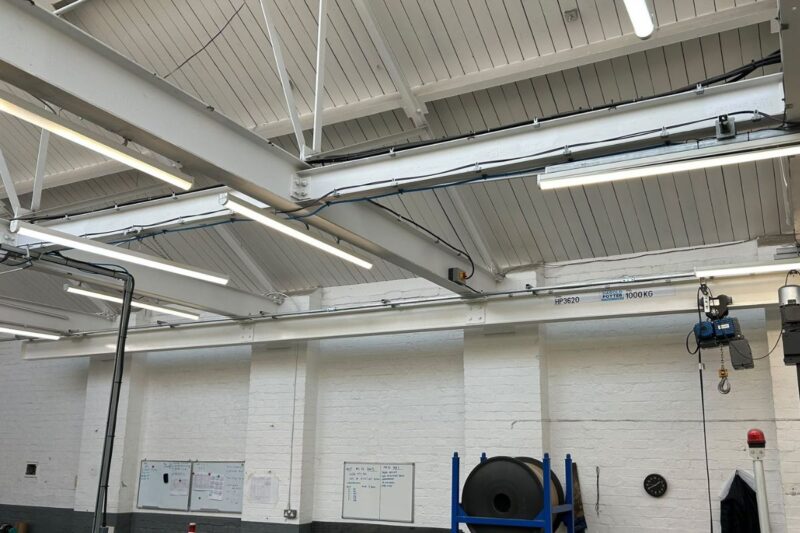
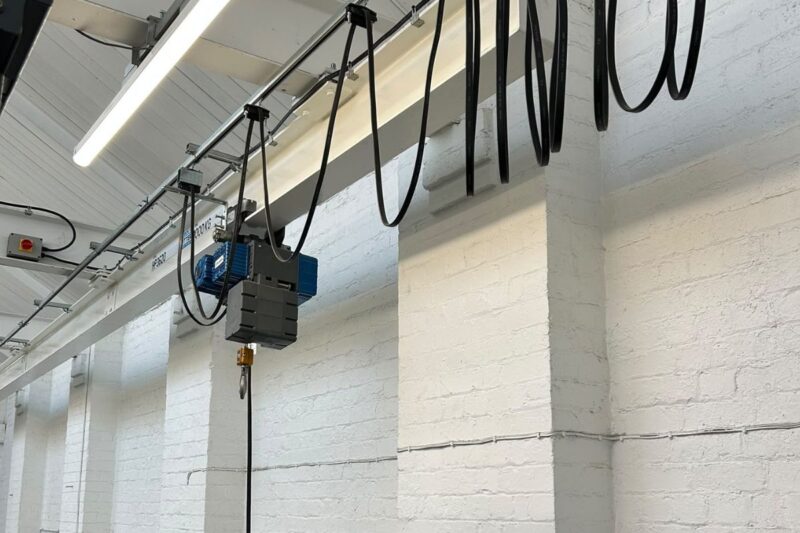
We recently installed a 3.2T Safe Working Load (SWL) Overhead Crane into the workshop at Aburnets in Ilkeston. We used the existing building structured and designed the rails, and full system to suit the existing building. The crane will be used for the lifting of beams and the manufacturing of hair nets.

Customer Testimonial 

“We have used Harold Potter for years. We have a long-standing relationship as they have always offered a reliable friendly service. Harold Potter are great at problem-solving, are very contactable, and easy to work with. It’s a collaborative two-way working approach, and they work with you to give you the knowledge on what you need. Harold Potter supplied us with a 3200kg SWL gantry crane that was installed and adapted to the existing building structure.”


If you need expert crane & lifting solutions, contact our team today!

Posted on

7.5T & 8T Overhead Cranes – Garmendale, Ilkeston

Installation of two Overhead Cranes for Garmendale Engineering in Ilkeston. This project included the design and manufacturing so the cranes we supplied would fit into two existing but separate workshops.  Harold Potter installed one 7.5T Safe Working Load (SWL) Overhead Crane in one building, and a second crane was a 8.5T SWL Overhead Crane. These cranes are used in assistance of moving and constructing engineering solutions for theme park rides and carriages.

Customer Testimonial 

Harold Potter are our one stop Overhead Crane supplier and will be for years to come. They are always there for us in terms of contact and are reactive problem solvers. They offer an incredibly quick turnaround to meet our ever-demanding schedules. We have had a 7500kg SWL Overhead Crane and an 8000kg SWL Overhead Crane installed. Harold Potter don’t only supply the crane, they engineer a solution to fit in existing building structures and properties. Harold Potter worked with us to design the rails, the track, and the system. They offered great advice on which crane we needed and explained the pros and cons of the options we had. They even assisted us with whether to use pendant controls or remote controls for our crane. We have an existing service contract, and our cranes have been ultra reliable since installation. We would be lost without them.”


If you need expert crane & lifting solutions, contact our team today!