
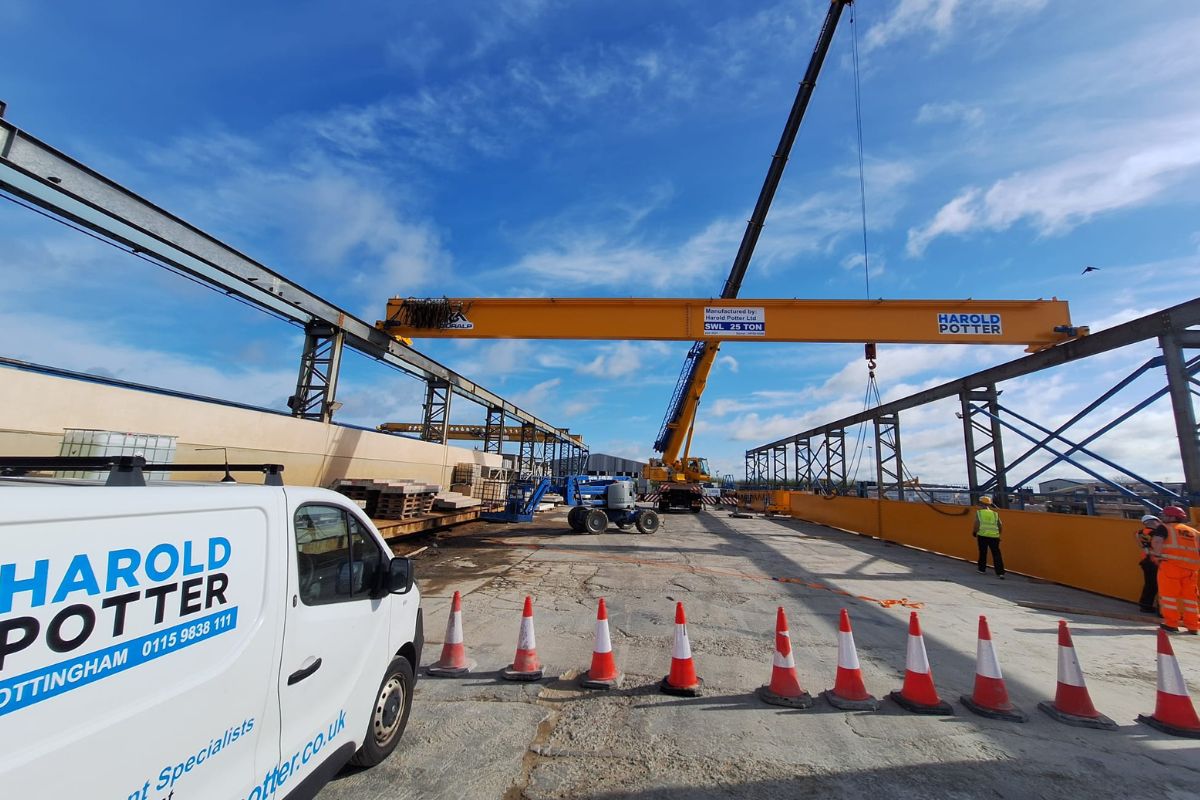
Deciding whether to repair or replace a crane is a common challenge for businesses. Making the right call can significantly impact safety, productivity, and long-term costs. We’ll break down the warning signs for repair or replace, key factors, pros and cons of each option.
Signs Your Crane Needs Repair
In many cases, a repair is all that’s needed to keep your crane operating safely and efficiently. Look out for common indicators such as unusual noises, slow or inconsistent movements, electrical faults, signs of wear to components like cables and brakes.
If these issues are identified early, repairs are often quick and cost-effective, preventing more serious damage down the line.
Signs It May Be Time to Replace Your Crane
Sometimes, repairs are no longer the most practical solution, as the crane has gone beyond maintenance and repair. You should consider replacing your crane if there are signs of frequent breakdowns, which leads to large periods of downtime. Costs of repairs are increasing and not necessarily fixing issues long term. Other signs are visible signs of damage to key components or the structure of the crane. Older cranes may also just be ready for replacement as outdated technology can be limiting to your productivity and if parts are needed for a repair, then you may have difficulty sourcing obsolete crane parts.
An ageing crane that consistently fails and increases your costs, and downtime, can become a serious liability for your business.
Pros of Repairing:
Repairing your crane will often be the solution for many businesses as it has a lower upfront cost, as there’s no need to purchase a new crane. There is a generally quicker return to production as repairs will take less time than removing an old crane and then installing a new crane. Regular maintenance and repair will ensure the equipment is in a much better condition, therefore extending the lifespan of the crane.
Cons of Repairing:
In some instances, repairs may only provide a short-term fix and if that is the case it may lead to recurring issues or expensive repairs later, meaning a full replacement may be a better option for the long-term of the business, even with the higher upfront cost. Older cranes may need repair after repair and may lack the modern features that are available in the latest cranes, meaning you could be missing out on increased operator safety and productivity and delaying the inevitable of purchasing a new crane later down the line.
Pros of Replacing:
The obvious benefit is having new technology. In theory, meaning productivity levels should increase, improved safety for operators and staff, improved reliability of the machinery. These factors should all mean long-term costs are less than if you were forced into constant repairs with faulty machinery. Legal inspections such as LOLER would still have to take place to ensure the crane is operating safely and as it should be, but long-term maintenance costs should be reduced as there should be less need for emergency callouts for repairs.
Cons of Replacing:
There are drawbacks to replacing your equipment. It may require time and careful planning to ensure your business isn’t inactive for too long. The initial investment into new machinery will face you with a high up-front cost and may not be sensible for your business. Short-term downtime may be temporarily increased while the new crane is transferred and setup. There may also be a period in some cases where operators need to become familiar with the new machinery and may require a training phase, which contributes to the short-term downtime.
When Repair Makes Sense
For many businesses, repairing is the most practical choice, especially when issues are minor or caught early. Regular servicing and targeted repairs can dramatically extend the life of your crane. Maximise your return on investment, and keep your operations running smoothly, without the large expense of a full replacement.
When Replacement Makes Sense
Replacing your crane becomes the smarter decision when repair costs are escalating or reliability is compromised. A new crane can boost productivity, improve safety , and ultimately save money over time particularly for high-use equipment.
Making the Right Decision
There’s no right or wrong answer when it comes to crane repair vs replacement. The best choice depends on factors such as the crane’s age, condition, usage, and the cost of ongoing maintenance. Both options are viable and it really comes down to safety and productivity.
If you would like an inspection or want to enquire about purchasing a new crane, contact us on 01159 838 111.
Alternatively, fill in our contact form here.