
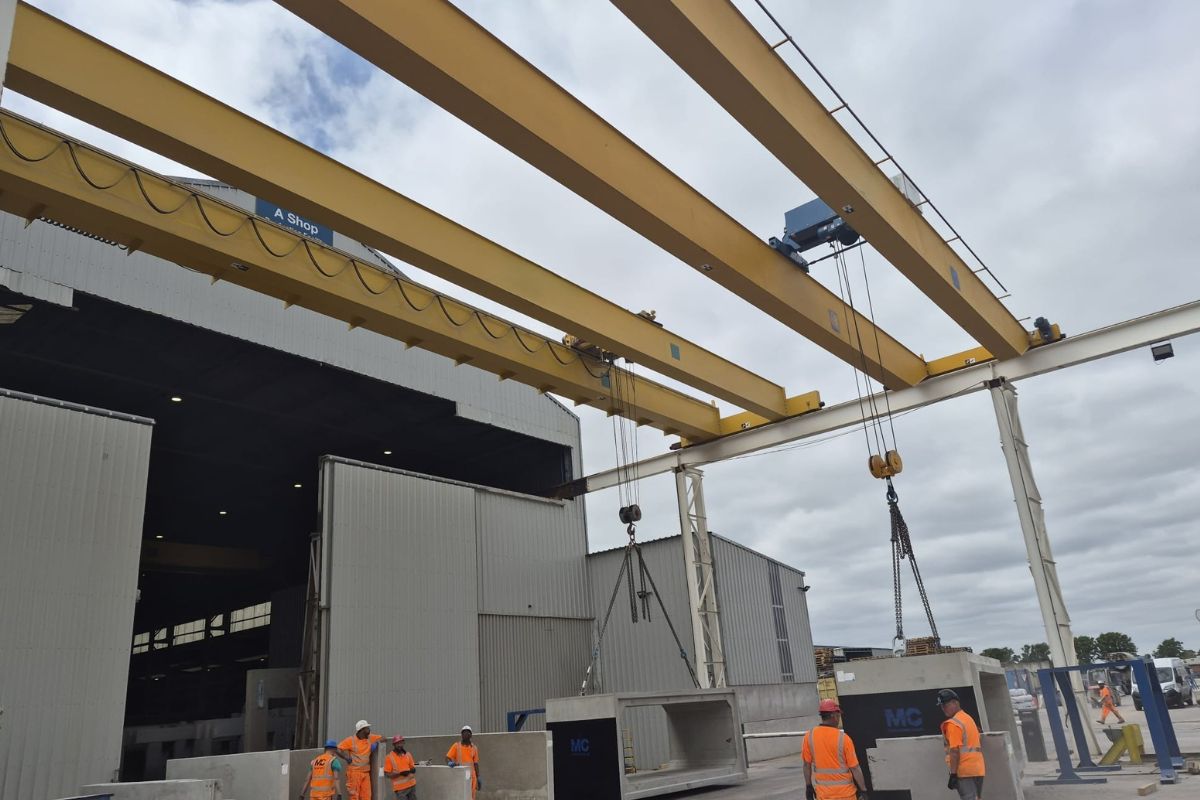
A crane load test is a process used to verify that a crane is structurally capable of safely carrying its rated Safe Working Load (SWL). Depending on the purpose of the test and the applicable standards, the crane may be tested using a certified proof load that exceeds its normal rated capacity. During the test, the crane lifts a certified test weight under carefully monitored conditions to ensure it performs as expected and that all critical components are operating correctly. Typical industry standards are 110% of the cranes’ SWL is tested for dynamic load testing and 125% for static load testing.
Load testing is an important part of installing new cranes, returning equipment to service after major repairs, and verifying that lifting equipment continues to meet the required safety standards. While a crane may appear to be working normally during everyday use, a load test provides additional confidence that it can safely operate at its full rated capacity.
Cranes are responsible for lifting valuable materials and heavy loads, it is essential that they are tested correctly before being relied upon in the workplace.
Why Is Crane Load Testing Necessary?
Crane load testing helps ensure that lifting equipment is safe, reliable and fit for purpose before it is put into operation. It verifies that the crane can safely lift its maximum rated load without compromising its structural integrity or the performance of its mechanical and electrical components.
During a load test, engineers can assess how the crane behaves under load, checking that the hoist lifts smoothly, the brakes hold securely and the crane travels correctly along its runway where applicable. Any unusual movement, excessive deflection or mechanical issues can be identified before they become a safety risk during normal operation.
Load testing also provides reassurance to crane owners, operators and site managers that the equipment has been thoroughly assessed and is ready for service. In many situations, it forms part of demonstrating compliance with relevant legislation and industry standards.
How Is a Crane Load Test Carried Out?
Before any weight is lifted, engineers carry out a thorough inspection of the crane to ensure it is in suitable condition for testing. This includes checking the hoist, wire rope or chain, end carriages, controls, brakes, electrical systems and any visible structural components.
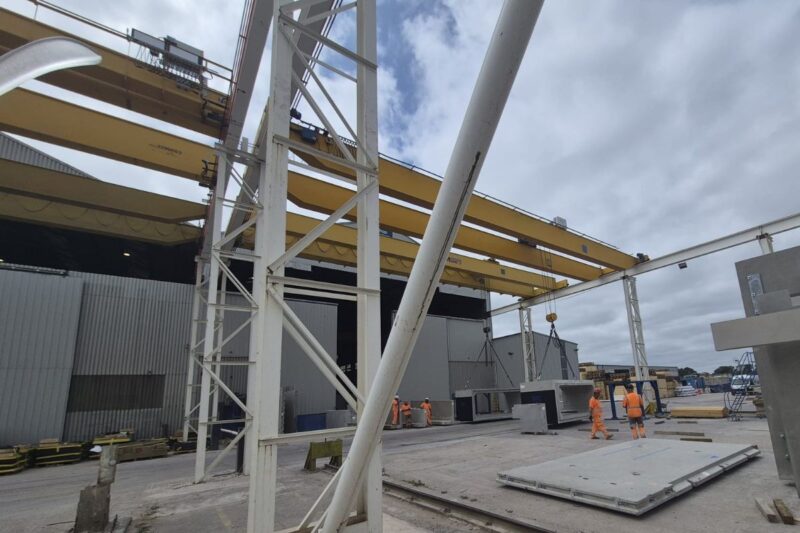
Once these inspections have been completed, certified test weights are positioned beneath the crane. The crane then lifts the load in a controlled manner while engineers carefully monitor its performance throughout the test. Testing methods such as steel, water bags or specially designed concrete weights are common test weights. Whatever method is used, the weight must be accurately known to ensure the test is carried out safely and correctly.
Depending on the type of crane and the testing requirements, the crane may also travel along its runway, move the trolley across the bridge or perform several lifting cycles while under load. Throughout the process, engineers observe how the crane responds, ensuring movements remain smooth and that all safety devices function correctly.
After the load has been safely lowered, the crane undergoes a final inspection before the results are recorded and any required certification is completed.
How Long Does a Crane Load Test Take?
The length of time required for a crane load test depends on several factors, including the type of crane, its lifting capacity, site conditions and whether multiple cranes are being tested during the same visit.
For smaller lifting equipment such as jib cranes, testing may only take a couple of hours. Larger overhead travelling cranes or gantry cranes often require several hours, particularly where larger test weights need to be positioned safely before testing begins.
Preparation, setting up the test equipment and completing the necessary documentation can add time onto the job too.
How Often Should a Crane Be Load Tested?
Unlike routine servicing or LOLER examinations, crane load testing is not normally carried out on a fixed annual or six-month schedule. Instead, it is completed whenever circumstances require the crane’s lifting performance to be verified.
For many businesses, a crane may only undergo a load test when it is first installed or after significant repairs or modifications have been carried out. If no major changes have been made to the crane, ongoing servicing and statutory thorough examinations are usually sufficient to maintain safe operation.
If you are unsure whether your crane requires a load test, a qualified lifting equipment specialist can advise based on the work that has been carried out and the relevant regulations.
What Happens If a Crane Fails a Load Test?
If a crane does not perform as expected during a load test, it should not be returned to normal service until the cause has been identified and corrected. Engineers will investigate any issues discovered during testing, whether they relate to the hoist, brakes, electrical controls, structural components or another part of the crane.
Once any necessary repairs have been completed, the crane can be retested to confirm that it now meets the required performance and safety standards. This ensures that lifting operations only resume when the equipment can operate safely and reliably.
Crane Load Test Summary
Crane load testing plays an important role in confirming that lifting equipment can safely perform at its rated capacity before entering or returning to service. Whether following a new installation, major repair or refurbishment, a professionally carried out load test provides confidence that the crane is operating safely and as intended.
At Harold Potter, our experienced engineers carry out crane load testing across a wide range of overhead lifting equipment. If you have recently installed a new crane, completed significant repairs or would like advice on whether your equipment requires load testing, our team can help you arrange a safe, efficient and fully documented testing process.
If you need a new crane or are installing a new crane and need a load test, get in touch today!