Posted on

1T Overhead Cranes – Vistry Group Coalville, Leicestershire

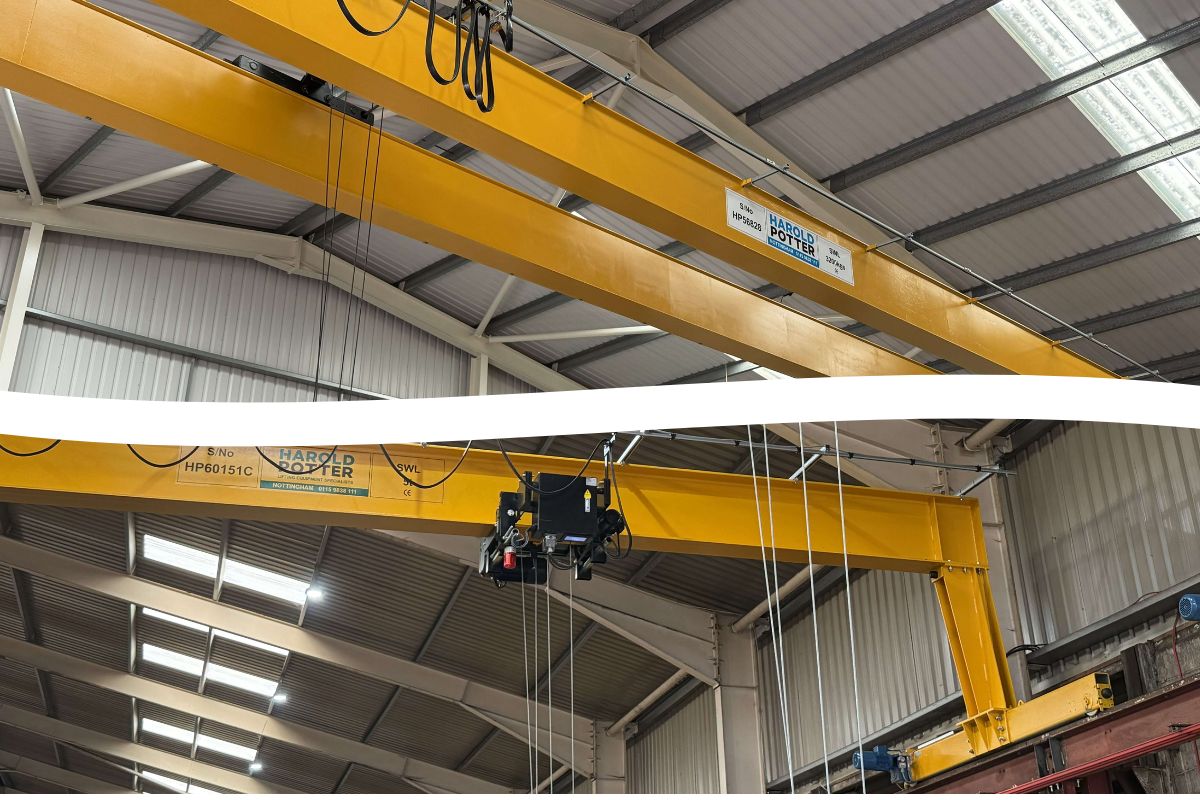
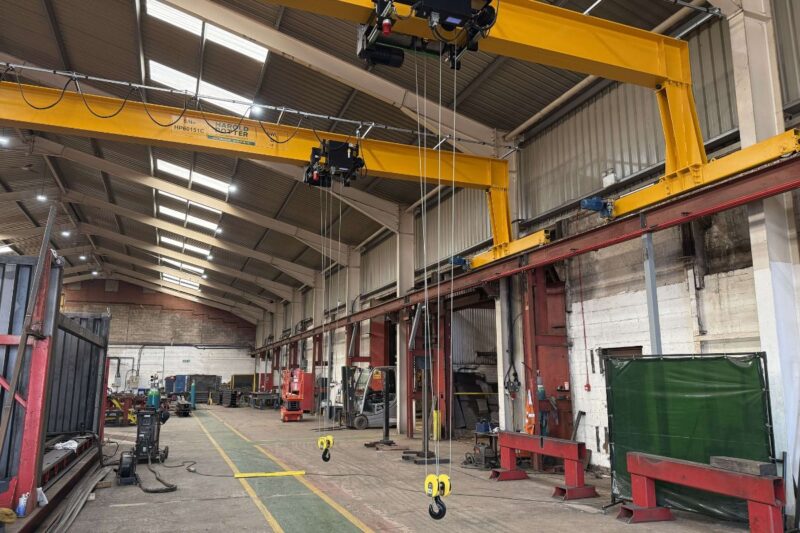
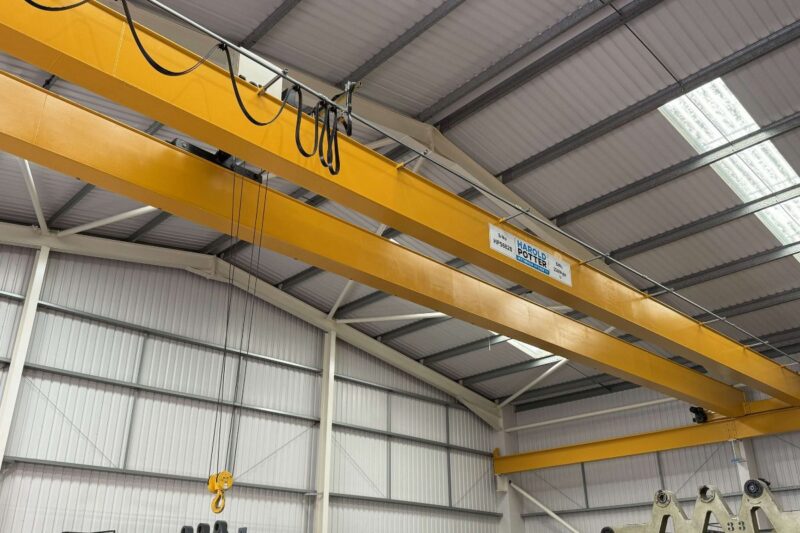
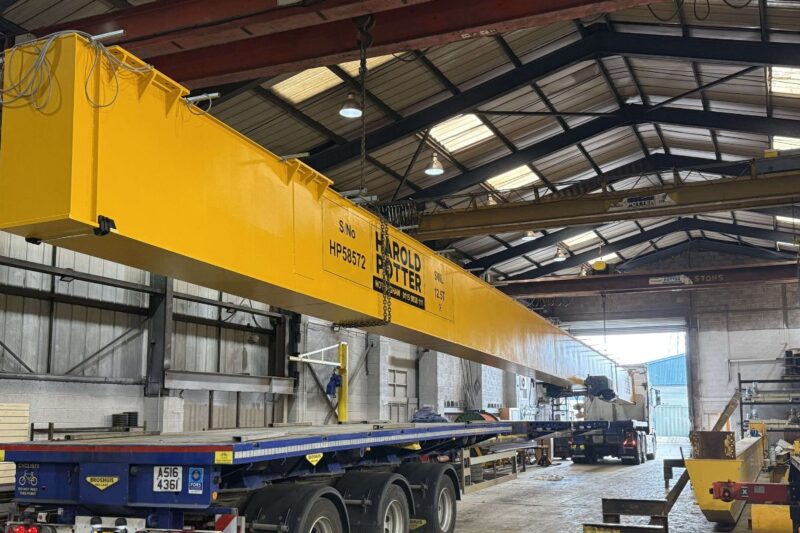
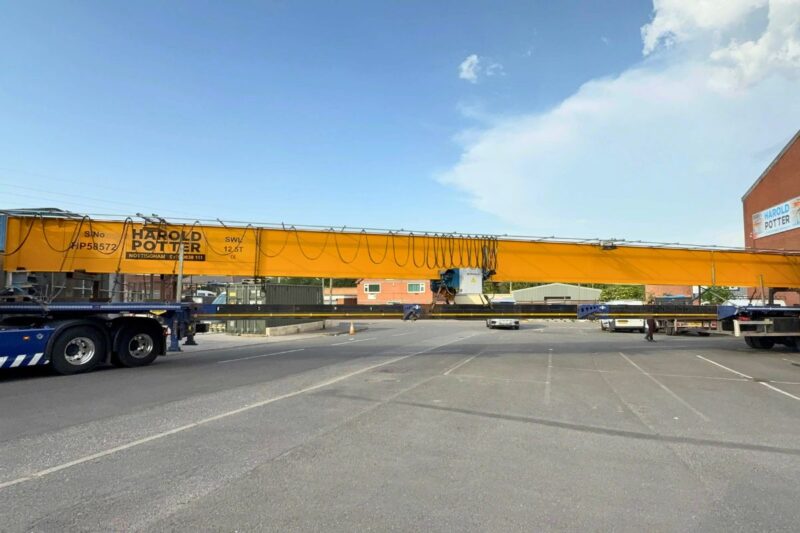
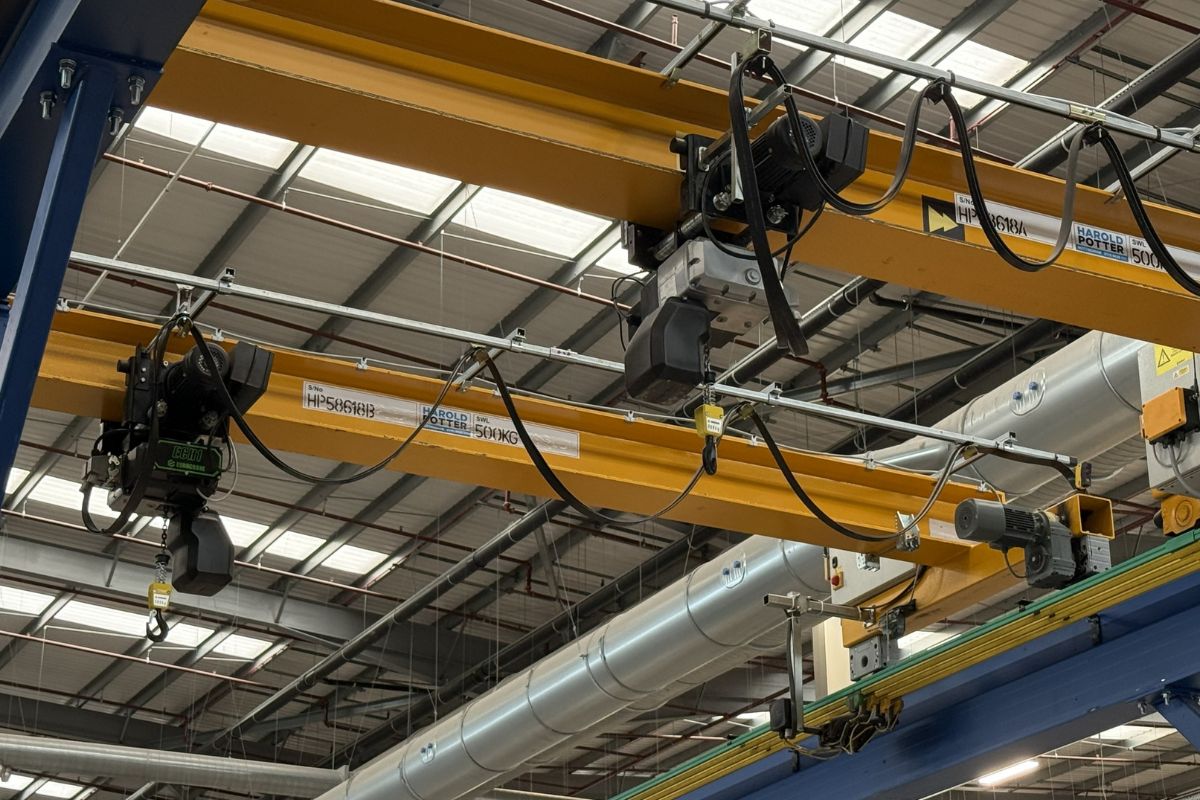
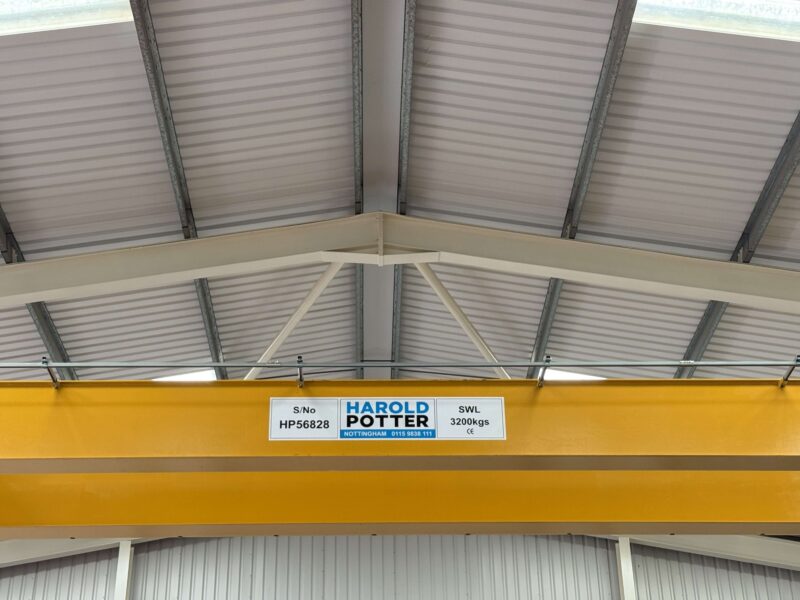
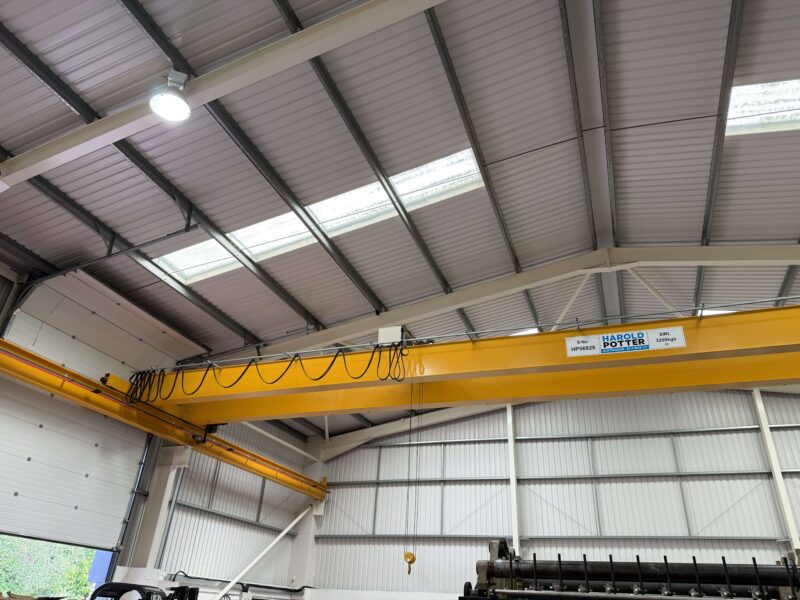
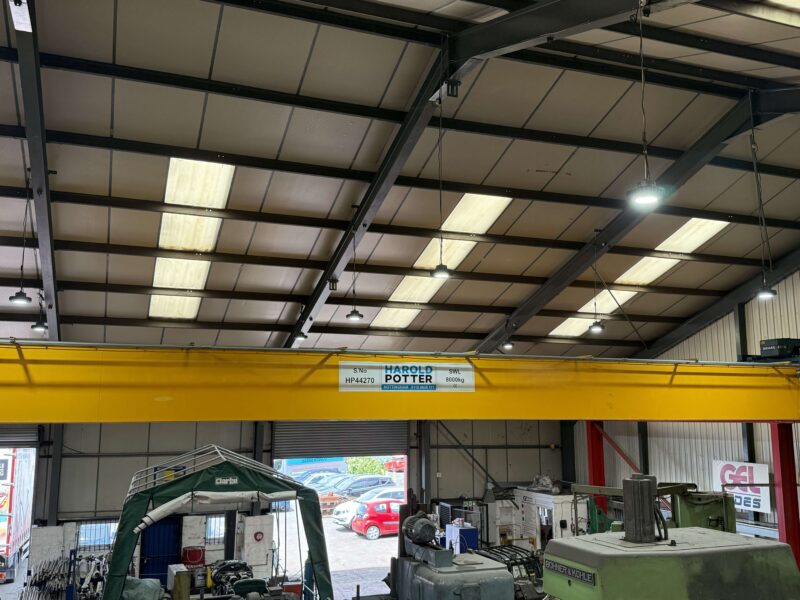
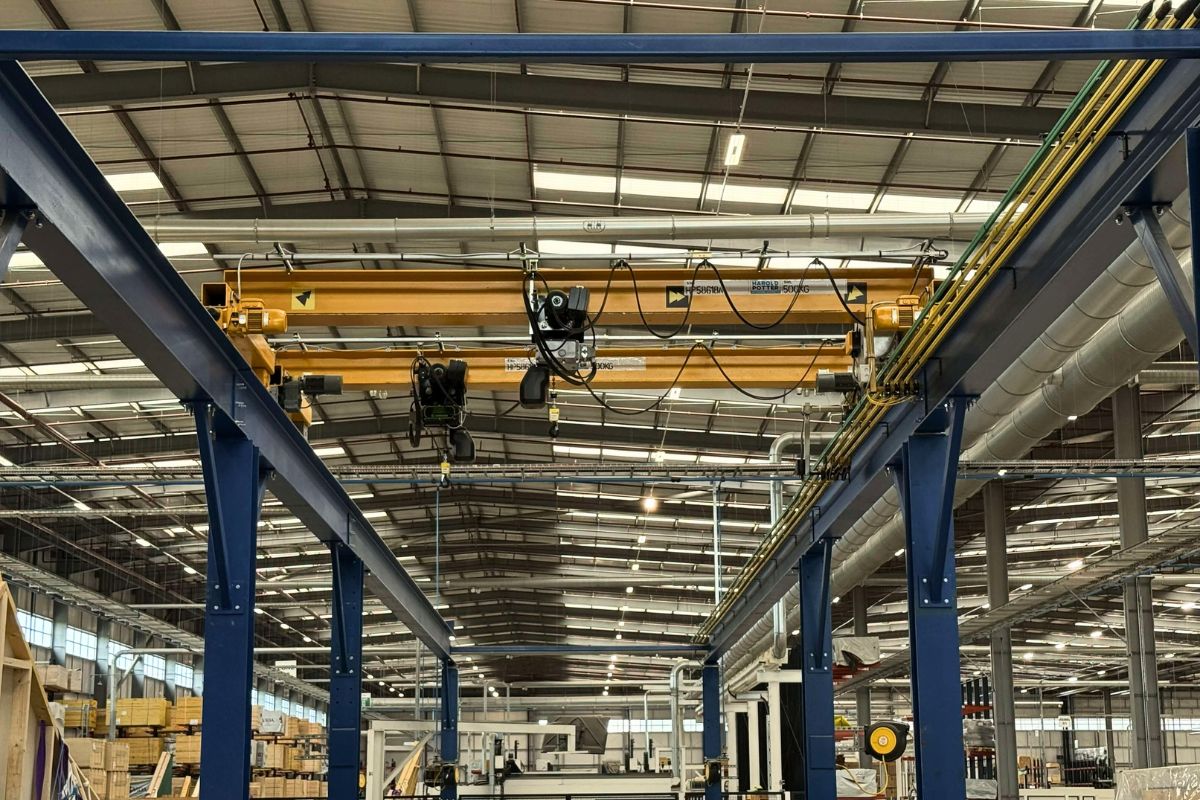
1T SWL Overhead Crane Installation

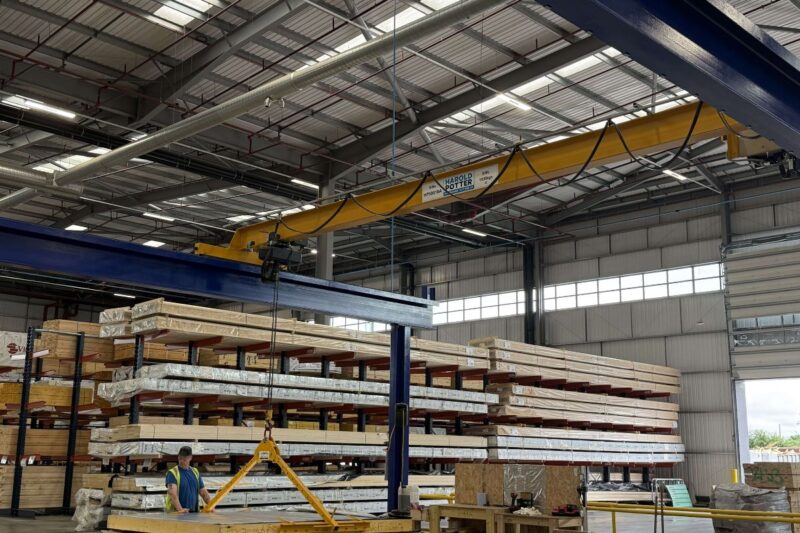
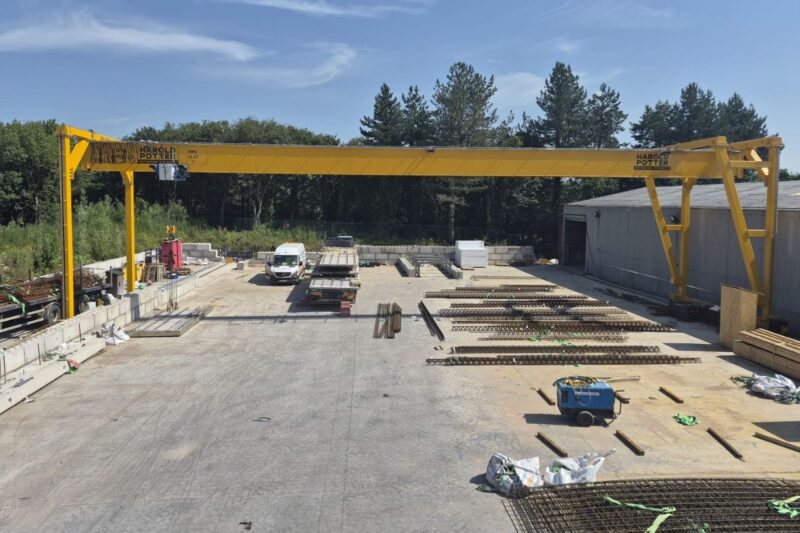
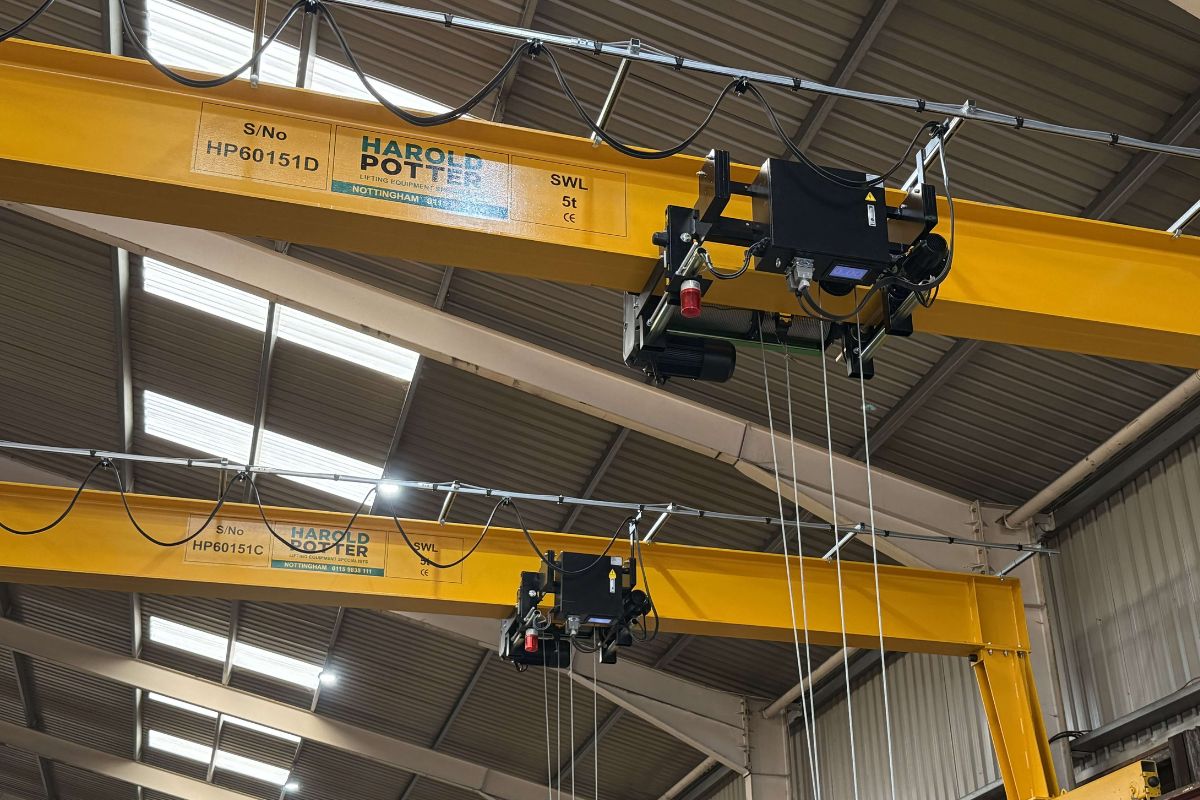
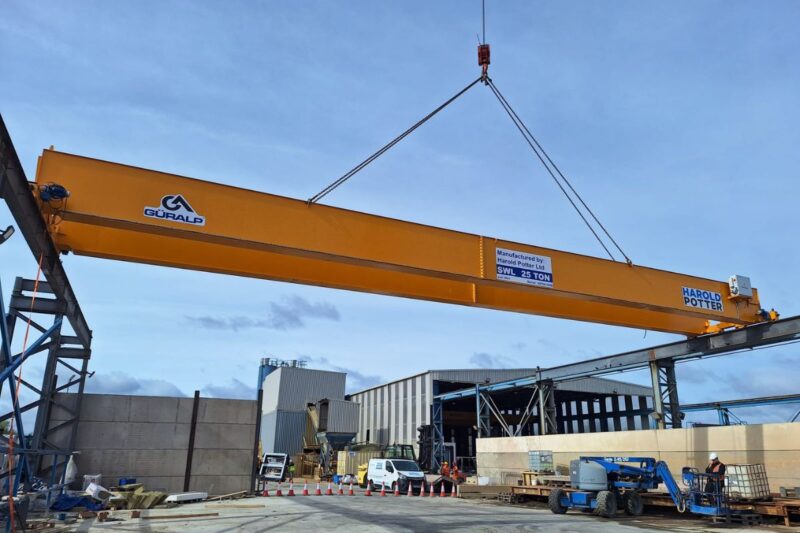
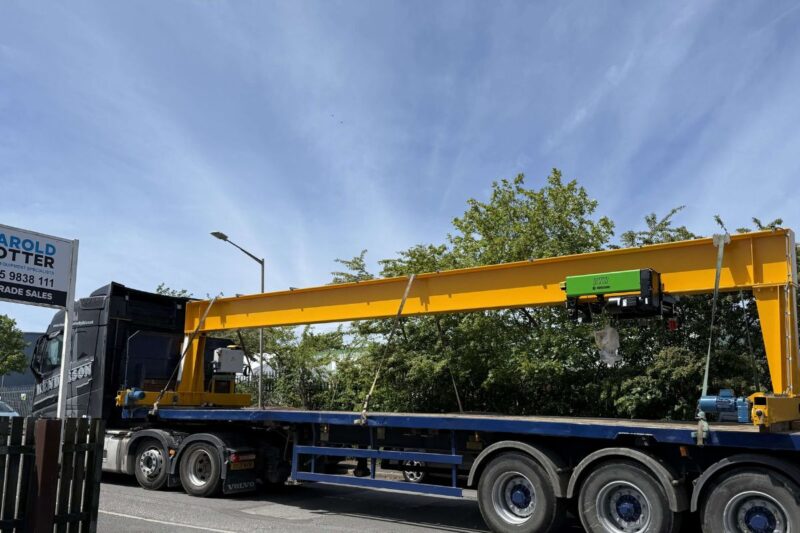
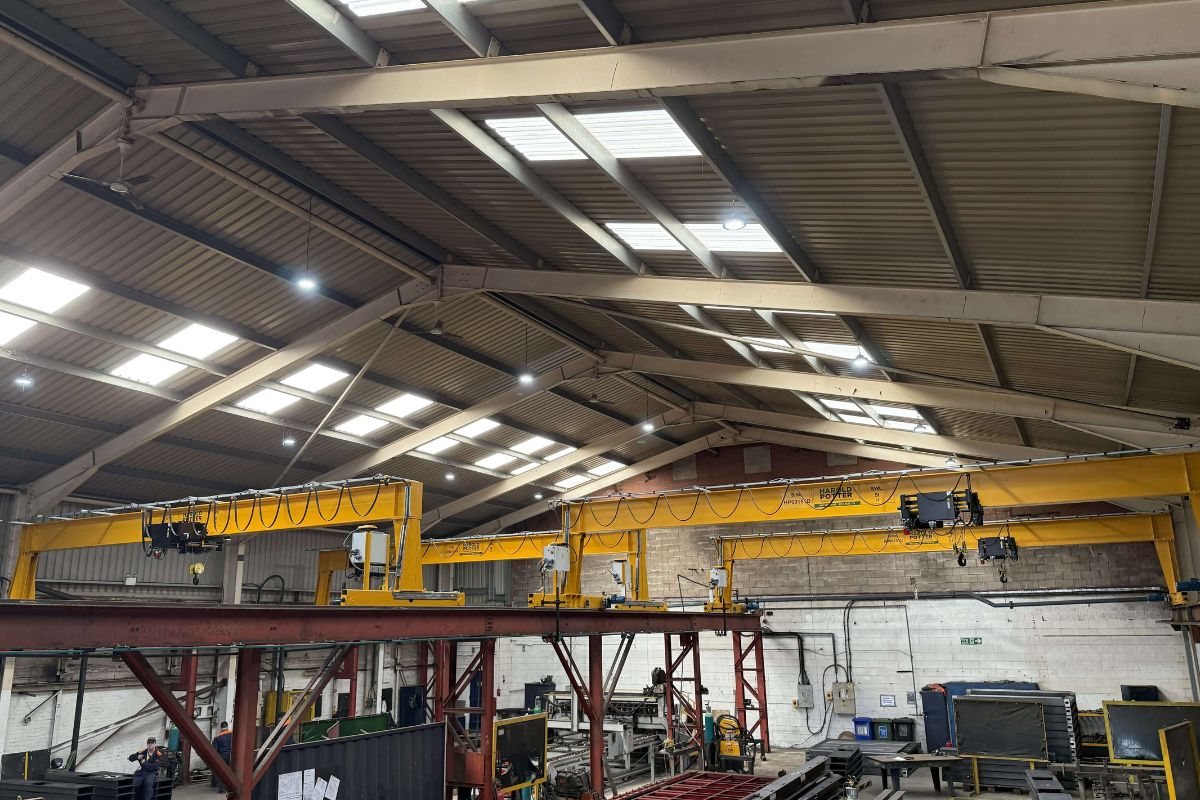
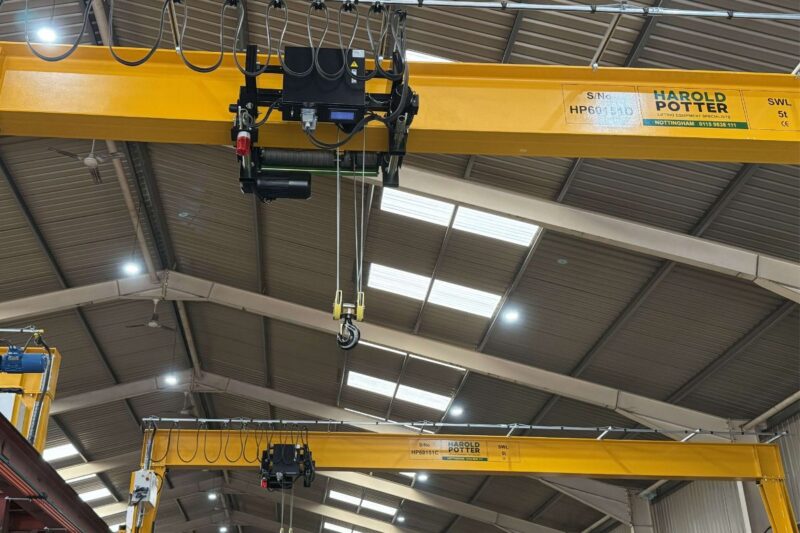
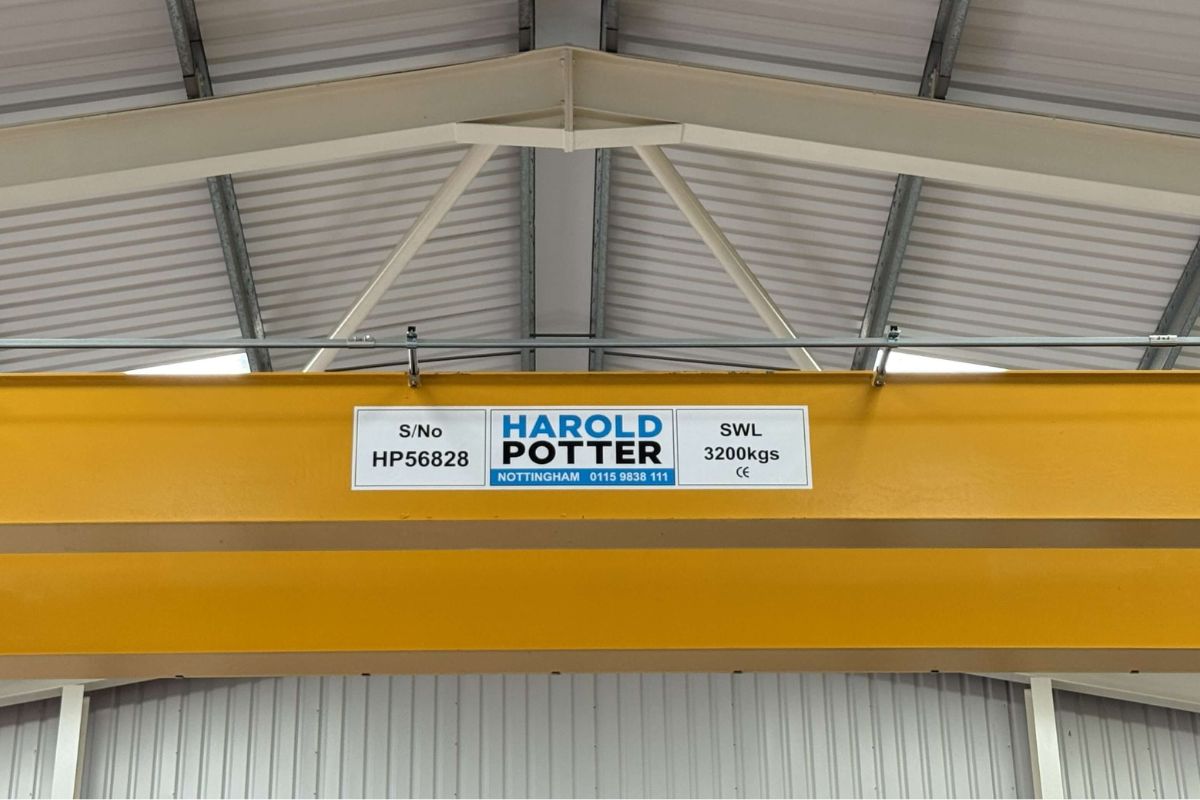
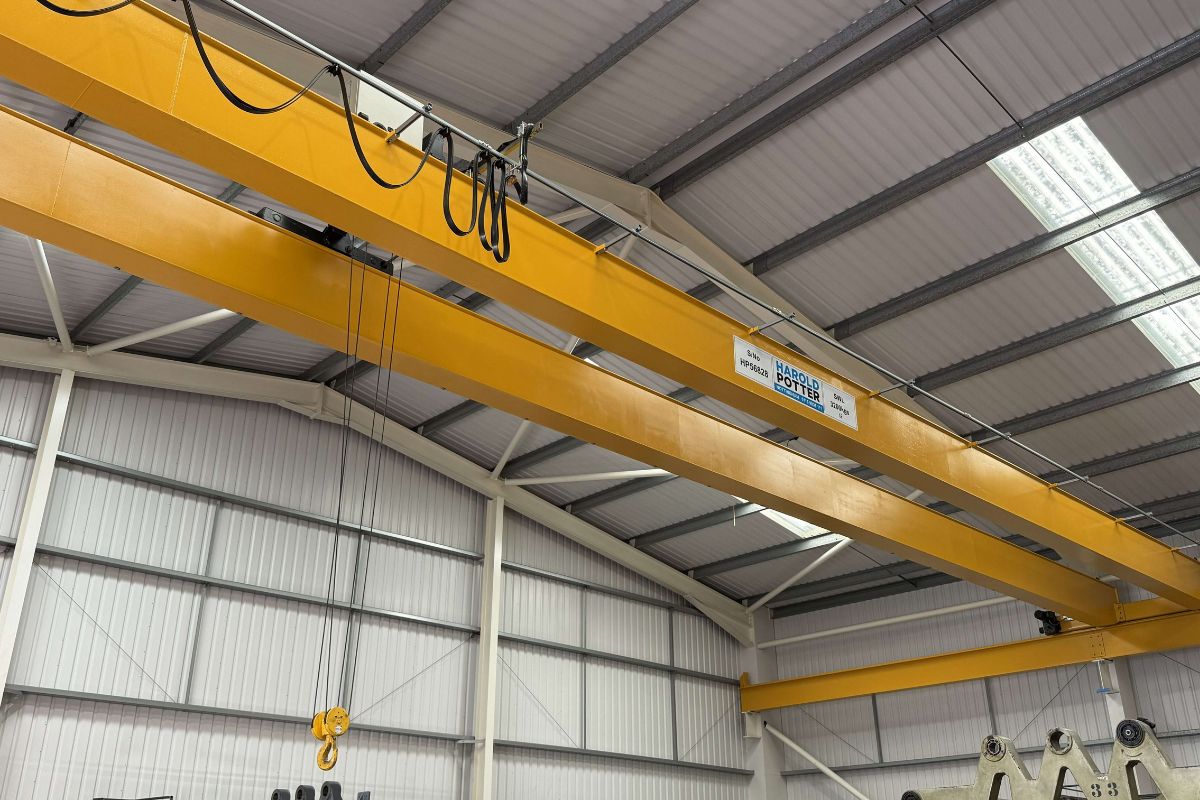
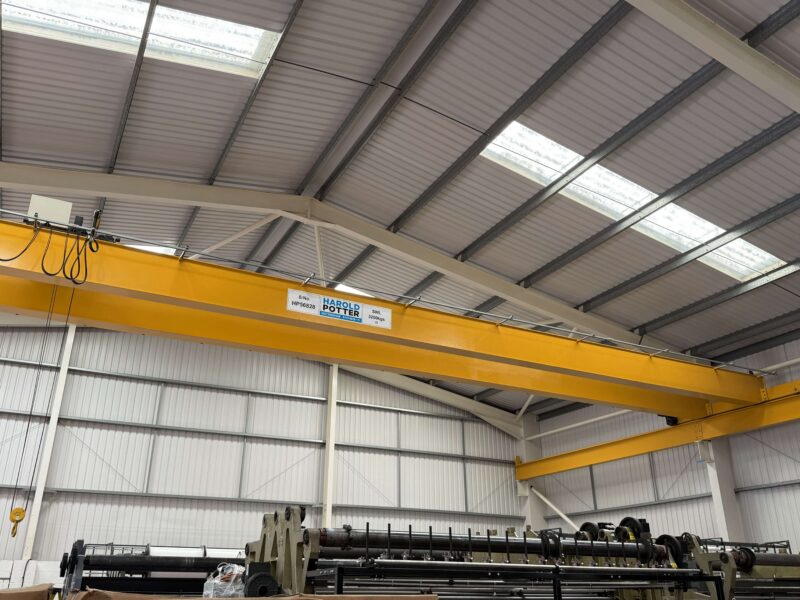
Installation and modification of multiple Overhead Cranes at the Vistry Group factory in Coalville. We installed two Overhead Cranes with two chain hoists that have a Safe Working Load (SWL) of 1T. We also installed another crane that was a tandem system to an existing crane so we changed the hoist on the existing crane. Finally, we did a gantry extension with a buzz bar installation.

The cranes are used in the Vistry Group factory for lifting and handling of large timber frames and panels that are used for the housing industry.

Customer Testimonial 

“We (The Vistry Group) were initially recommended by another crane company near Nottingham who couldn’t provide the service we were after. So they recommended Harold Potter. Harold Potter has supplied us with multiple new cranes, modifications to existing cranes that weren’t originally supplied by them, breakdown callouts and more. We have completed a variety of projects with Harold Potter that we are very pleased with. We are currently working together through their service contract offer. They have always been there when we have asked, and we can really feel the benefit of a local company that we can rely on. We are always appreciative of the direct contact with the Harold Potter team. They always find a solution to any issue we come across. Our work consists of lifting timber frames and panels. Harold Potter have been perfect in supplying the correct crane for our operations. We look forward to calling upon Harold Potter for new cranes when the time comes for a new project.”


If you need expert crane & lifting solutions, contact our team today!

Posted on

Which Crane Is Right For Your Business?

Choosing the right crane for your business’ operations is vital and usually consists of variables such as the industry you’re in, what you need the crane for, and more. Buying a new or refurbished crane is a long-term business investment and it is key you fully understand your needs from the crane. That’s why this crane guide will breakdown the key factors in the decision-making process of purchasing a new crane.

Crane Capacity

The all-important question – how much weight do you need to lift?

Making sure this amount isn’t your average or isn’t too projected low is key, as it could lead to issues further down the line. This is an important step of the process. For example, if your business in the future requires a heavier lifting capacity, then it is less cost-effective to increase the lifting capacity of the crane after installation, than it is to opt for a crane that can handle heavier loads initially.

Businesses operating in smaller workshops may only need a lifting capacity of 500kg to 2 tonnes. Whereas, businesses operating in heavy industrial work, may need larger overhead or goliath cranes that have a capacity of up tens to hundreds of tonnes.

Overhead Travelling Cranes

Overhead travelling cranes are commonly used inside factories, engineering workshops and manufacturing facilities. These cranes run on elevated runway beams and provide lifting coverage across the workshop floor.

Single girder overhead cranes are typically suited to lighter lifting duties and smaller spans, while double girder cranes are often used for heavier capacities, increased hook height and more demanding workloads.

Goliath Cranes

Goliath cranes are commonly used outdoors or in areas where existing buildings cannot support an overhead crane system.

These cranes run on floor-mounted rails and are ideal for steel yards, depots, ports, heavy fabrication work. Semi-goliath cranes can also be used where one side of the crane is supported by the building structure and the other side runs on ground rails.

Swing Jib Cranes

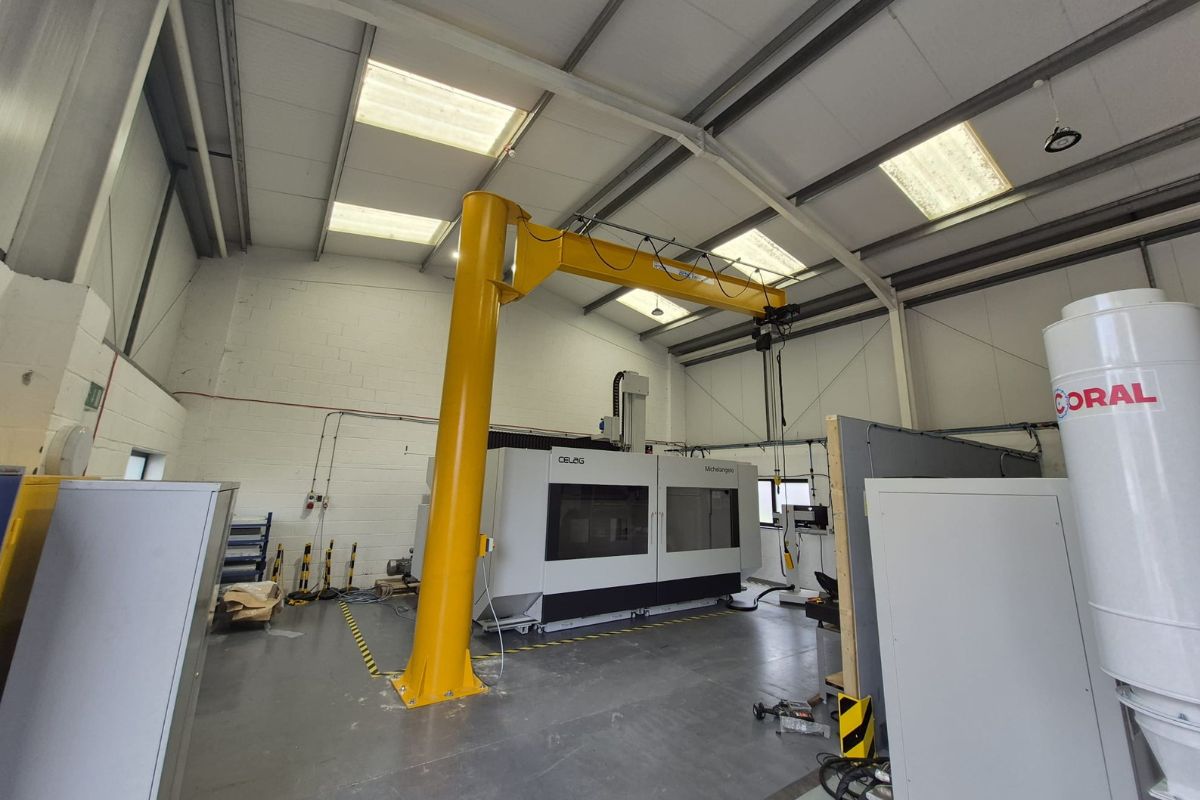
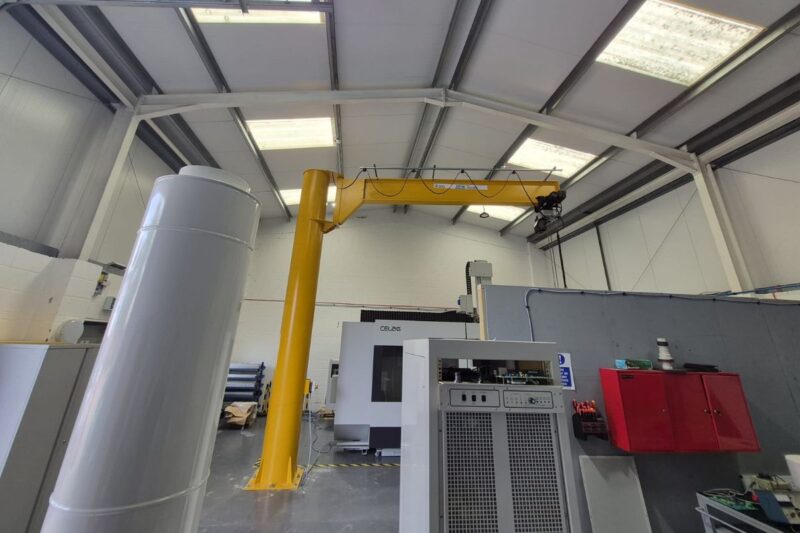
Swing jib cranes are compact lifting solutions designed for smaller lifting tasks. They are commonly used at individual workstations, machine loading areas or workbenches.

Jib cranes are often installed alongside overhead cranes to improve lifting efficiency within specific sections of a workshop.

Crane Span and Lifting Height

Crane span refers to the width the crane must travel across, while lifting height determines how high the crane can safely lift materials.

Both factors are crucial during the crane design process. A larger span may require stronger crane girders, additional structural support and different crane configurations.

You should also consider available headroom, roof height, existing machinery, and potential future workshop layout changes. Maximising lifting height can significantly improve the usability of the crane, particularly in workshops where space is limited.

Indoor vs Outdoor Crane Installation

The working environment plays a major role in selecting the right crane system. Overhead cranes typically rely on existing building structure so would be an indoor system, whereas large goliath cranes that are free-standing would be found outdoors in yards and depots.

Indoor Crane Systems

Indoor cranes are usually integrated into the building structure or supported on dedicated crane steelwork. These systems are protected from weather conditions and are ideal for controlled production environments. Overhead cranes are preferred indoor to goliath cranes as they free up floor space as the rails/legs are not on the building floor. Therefore, this means there is more space for your staff, and any other small lifting systems like swing jibs which can coincide with overhead cranes.

Outdoor Crane Systems

Outdoor cranes must be designed to withstand environmental conditions such as weather and temperature changes. This is why goliath cranes are often preferred for outdoor applications, as they operate independently from the building structure. They also feature longer spans so can span across sites that may be longer than an existing building. They can also be dismantled ad move across sites giving more freedom than an overhead crane.

Can Your Building Support a Crane?

One of the most overlooked parts of the crane selection process is the building itself.

Not all workshops or industrial units can support an overhead crane without modifications. Structural considerations may include the strength of existing steelwork, column loadings, existing building foundations, runway beam support and roof structure limitations.

In some cases, additional crane supporting steelwork may need to be installed before the crane itself can be fitted. In other cases, the underlying building foundations may cause issues with being able to withstand the weight from adding a 10-tonne overhead crane for example. This is why a professional site inspection is essential before moving forward with a new installation.

New vs Refurbished Cranes

Depending on your budget and application, both new and refurbished cranes can offer benefits. A new crane allows for a completely bespoke solution designed around your exact operational requirements. Refurbished cranes can provide a more cost-effective option for businesses looking to improve lifting capabilities while reducing initial investment costs. The right choice will depend on your budget, required specification, and any future expansion plans.

Choosing The Right Crane Supplier

Selecting the right crane supplier is just as important as choosing the crane itself. An experienced crane manufacturer can help identify the best solution for your building, lifting requirements and future business growth.

At Harold Potter we design & manufacture, refurbish and install overhead cranes, goliath cranes, semi-goliath cranes and jib cranes for businesses across the UK. Our team works closely with customers to provide lifting solutions tailored to their operational requirements and working environments. We offer site visits from our expert teams to assess your options. We provide excellent service throughout design and installation, and provide maintenance and legal inspection plans for LOLER compliance.

Contact Us

If you need a new or refurbished crane for your business, contact us today to have a discussion around your needs and requirements.

Call us on 01159 838 111.

Fill in our contact form here.


Posted on

What is a Goliath Crane? A Full Guide to Goliath Cranes

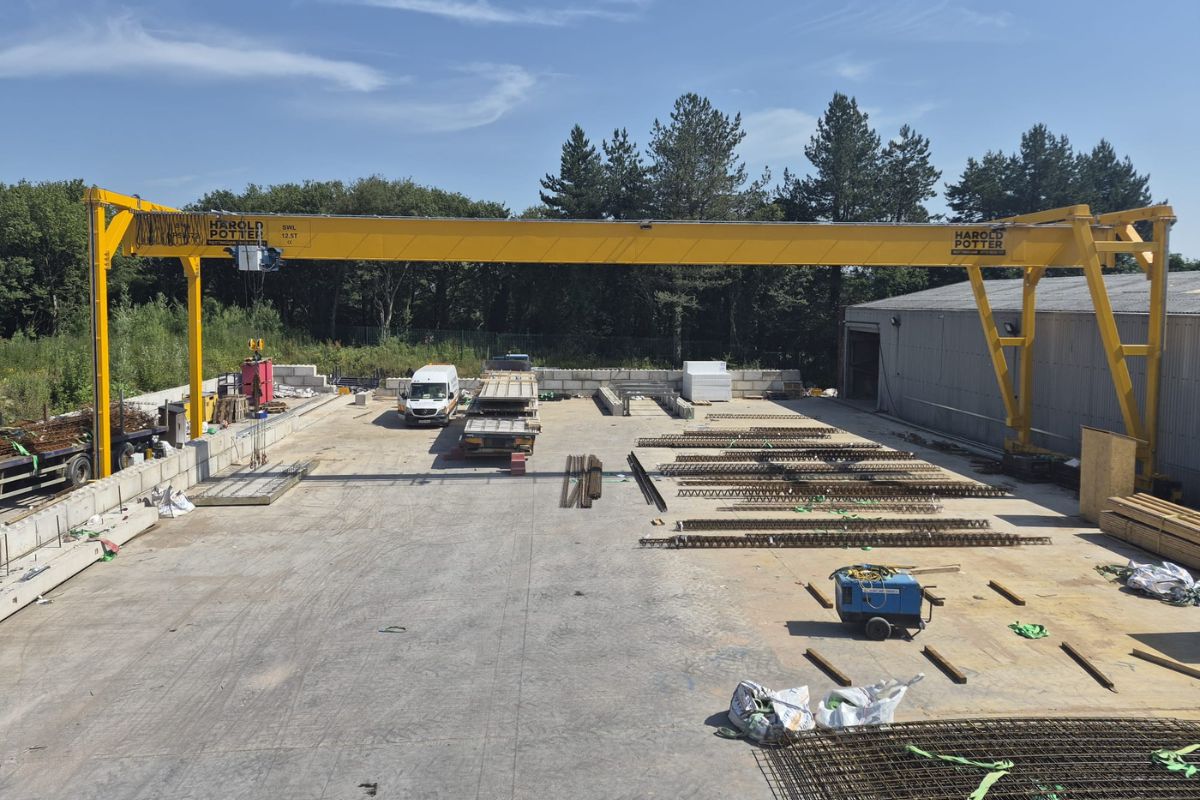
A Goliath crane, also known as a gantry crane, is a type of crane that runs on floor-level rails rather than elevated runway beams. The crane bridge is supported by steel legs which travel along a ground-mounted track system.

Goliath cranes are widely used in industrial environments where overhead runway support is not available or practical.

They are commonly found in fabrication facilities, shipyards, storage yards, and heavy manufacturing environments where large or heavy loads need to be moved safely and efficiently.


How Does a Goliath Crane Operate?

A Goliath crane works by moving a hoist and trolley system across a bridge beam while the entire crane travels along floor-mounted rails.

The hoist lifts and lowers the load vertically.

The trolley moves the load horizontally across the bridge beam.

The crane itself then travels along rails at ground level to move materials across the full working area.

This allows heavy loads to be positioned safely and accurately.

Goliath Crane vs Overhead Crane

The main difference between a Goliath crane and an overhead crane is the support structure.

An overhead crane runs on elevated runway beams connected to the building structure.

A Goliath crane is supported by its own steel legs which travel on rails installed at floor level.

Because Goliath cranes are self-supporting, they are often used outdoors or in locations where the building cannot support an overhead crane system.

What is the Difference Between a Goliath and a Semi-Goliath Crane?

A Semi-Goliath crane combines features of both an overhead crane and a Goliath crane.

One side of the crane runs on a floor-mounted support leg while the opposite side travels on an elevated runway attached to the building structure.

Semi-Goliath cranes are commonly used where floor space is limited or where only one side of the building can support a runway system.

They provide a practical lifting solution while reducing the amount of floor-mounted support required.

Typical Uses for Goliath Cranes

Goliath cranes are designed for lifting and transporting heavy materials across large industrial areas.

They are commonly used in manufacturing plants, steel facilities, outdoor heavy engineering environments.

They are particularly useful where lifting operations take place outdoors or where overhead structural support is unavailable.

Benefits of Using a Goliath Crane

One of the main advantages of a Goliath crane is that it does not require overhead building support.

This makes it suitable for outdoor lifting operations and large open working areas.

Goliath cranes can also cover wide spans and handle heavy-duty lifting applications efficiently.

Semi-Goliath cranes provide similar lifting performance while reducing the amount of ground-level support structure required.

Are Goliath Cranes Used Outdoors?

Yes. Goliath cranes are commonly installed outdoors because they are self-supporting and do not depend on a building structure for support.

They are often used in yards, loading areas, rail depots, and fabrication sites where large materials need to be lifted and transported outside.

Safe Working Load and Lifting Capacity

The Safe Working Load (SWL) is the maximum weight the crane can safely lift during normal operation.

The lifting capacity depends on the crane design, span, application, and operating conditions.

In the UK, Goliath cranes must be regularly inspected and maintained under LOLER regulations.

Most cranes require formal inspection every 12 months, although more frequent inspections may be required depending on usage and operating conditions.

Routine servicing and preventative maintenance help reduce downtime and maintain safe crane operation.

Summary

A Goliath crane is a self-supporting crane system that travels on floor-mounted rails. It is used to move heavy loads across industrial working areas.

Semi-Goliath cranes combine floor-mounted support with an elevated runway system to provide a flexible lifting solution where full overhead support is not practical.

Both crane types are widely used across manufacturing, engineering, heavy industry, and outdoor lifting environments because they provide safe and efficient material handling for large and heavy loads.


Posted on

What Is an Overhead Crane? A Full Guide to Industrial Overhead Cranes

Outdoor overhead crane

An overhead crane is a type of industrial lifting system used to lift, lower, and move heavy loads horizontally across a workspace. Overhead cranes are commonly installed in factories, workshops, warehouses, and manufacturing facilities where regular heavy lifting is required.

The crane operates on elevated runway beams and uses a hoist and trolley system to transport loads safely and efficiently around the working area.

Overhead cranes are designed to improve lifting safety, reduce manual handling, and increase productivity in industrial environments.

How Does an Overhead Crane Work?

An overhead crane works by moving a hoist along a horizontal bridge beam while the entire crane travels along runway rails.

The hoist lifts and lowers the load vertically using wire rope or chain.

The trolley moves the load side to side across the bridge.

The bridge itself travels along the runway system to move loads across the full working area.

This allows heavy materials to be lifted and transported safely with precise control.

What Are Overhead Cranes Used For?

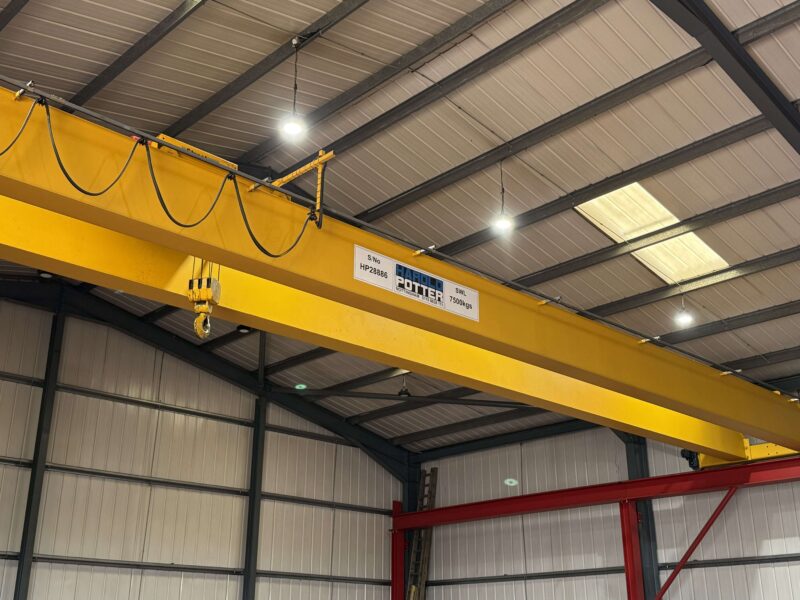
Overhead cranes are used for lifting and moving heavy or awkward materials that would be difficult or unsafe to handle manually. They are commonly used in the industrial space. Industries such as manufacturing, engineering, workshops, steel industry, construction and other heavy-duty industries.

What Is the Difference Between a Single Girder and Double Girder Overhead Crane?

A single girder overhead crane uses one main bridge beam.

A double girder overhead crane uses two bridge beams for increased lifting capacity and higher hook height.

Single girder cranes are usually more cost effective for lighter lifting applications.

Double girder cranes are better suited to heavy-duty industrial lifting and larger spans.

The correct crane type depends on lifting requirements, building layout, and operational usage.

What Is the Safe Working Load of an Overhead Crane?

The Safe Working Load (SWL) is the maximum weight the crane can safely lift under normal operating conditions.

The SWL is determined by the manufacturer and must never be exceeded.

Operating above the Safe Working Load can create serious safety risks including structural damage, hoist failure, and dropped loads.

How Often Should Overhead Cranes Be Inspected?

In the UK, overhead cranes must be regularly inspected under LOLER regulations.

Most cranes require a formal inspection every 12 months.

More frequent inspections may be required every 6 months depending on crane usage and lifting conditions.

Routine servicing and preventative maintenance are also important for safe operation and reducing downtime.

What Causes Overhead Crane Failures?

Common causes of overhead crane failure include poor maintenance, worn structure or components, brake problems, electrical faults, and overloading.

Lack of regular inspection is one of the most common causes of crane safety issues.

Preventative maintenance helps identify faults before they become major operational or safety problems.

What Are the Advantages of an Overhead Crane?

Overhead cranes improve lifting efficiency and workplace safety by reducing the need for manual handling and forklift movement.

They also help maximise floor space because the crane operates above ground level.

Overhead cranes can safely move heavy loads with greater precision and control than many alternative lifting methods.

They are commonly used to improve workflow and reduce lifting-related downtime in industrial facilities.

Are Overhead Cranes a Legal Safety Responsibility?

Yes. Businesses operating overhead cranes in the UK must comply with LOLER and other workplace safety regulations.

Cranes must be properly maintained, inspected, and operated within their Safe Working Load limits.

Failure to maintain lifting equipment safely can result in legal liability, operational downtime, and serious safety risks.

Summary

An overhead crane is a lifting system designed to move heavy loads safely and efficiently across industrial workspaces. Overhead cranes are widely used across manufacturing, engineering, warehousing, and heavy industry because they improve lifting safety, increase productivity, and reduce handling risks. Understanding how overhead cranes work, how they are maintained, and how they are safely operated is essential for maintaining safe and efficient lifting operations. Following LOLER and SWL regulations is vital to keeping your operators and workplace safe.

Posted on

10T Overhead Travelling Crane & Gantry Orkney

10T Overhead Travelling Crane & Gantry: Renewable Energy Development, Orkney

A previously used double girder electric overhead travelling crane was modified, overheauled, delivered & installed. This was for our Orkney based client, Scotrenewables Tidal Power Ltd. The aim of the crane was to assist with the outfitting of their unique Tidal Turbine.

Special measures had to be taken to coordinate the transportation of the crane components, plant & materials to site due to the remote location. At Harold Potter Ltd, we relish the thought of a challenge. We stepped up to the mark to deliver the crane on time and precisely to the client’s specification.

The crane (as seen in photo) is a 10 tonne Safe Working Load Demag overhead travelling crane with a span of 10mtr, 5mtr Height of Lift and has a 12mtr length free standing gantry. The cross travel motors were fitted with inverter drives to allow for precise positioning of the hook for delicate operations.

If you need expert crane & lifting solutions, contact our team today!

Posted on

Fabrication Facility Upgrade Nottingham

FABRICATION FACILITY UPGRADE: METAL & STEEL FABRICATION AND MANUFACTURERS, NOTTINGHAM.


A previously used 25 tonne SWL double girder Demag overhead travelling crane was overhauled, supplied & installed for our Nottingham based client. This was to accommodate their expansion requirements.

The crane bridge length was modified to suit the existing gantry then cleaned and painted. The cross travel electrics were replaced for new equipment as is the standard of all our previously used cranes. All long travel and cross travel motors including the wire rope hoist were serviced and underwent a Report of Thorough Examination before leaving our workshop. A new control panel was made by our electricians to incorporate inverter driven cross and long travel motions. This enabled soft start and stop to allow for precision handling of loads. A radio remote control system was fitted to the crane to enable safe operation of the crane, from any location within the facility. Due to the size of the crane and restrictions within the facility, a mobile crane was required to lift the overhead crane into position. This was done by temporarily removing panels from the roof.

If you need expert crane & lifting solutions, contact our team today.

Posted on

Workshop Relocation Leeds

WORKSHOP RELOCATION: AIR CONDITIONING SPECIALISTS, LEEDS.

Five brand new aluminium overbraced swing jib cranes were supplied, installed, load tested and certified. All were in accordance with LOLER for our client within 2 weeks from order. This was due to urgent requirements following the relocation of their production facility. Each jib crane has a Safe Working Load of 500kg and stands at 4.2 metres high with a 4 metre manual slew radius arm, and has a dual speed Black Bear electric chain hoist.

If you need expert crane & lifting solutions, contact our team today!

Posted on

2x 25T Double Girder OHTC FP McCann Littleport

Outdoor overhead crane

Installation of 2×25 tonne SWL Overhead Travelling Cranes, for our friends at FP McCann, at their Littleport depot. These cranes were double girder cranes.

The new cranes were installed complete with safety functions such as anti collision sensors, and slow down limits, to prevent any collision with either crane or end stop. The inverter control on the bridge travel was installed to have precise control over travel speeds, acceleration and deceleration. The Magnetek flex wave wireless remote control was installed, for ease of use.

The 25T crab units were supplied with the crane to meet customer lift speed specification. It also included slow down limit switches to prevent and collision with end of bridge beam. The cranes will be used for the production of concrete slabs for use in pre built housing. As well as various other concrete applications.

We also installed a further 10×25 tonne Gurulp Overhead Travelling Cranes, at the same site in Littleport, which you can see below.

If you need expert crane & lifting solutions, contact our team today!

Posted on

What Is SWL on a Crane? A Full Guide to Safe Working Load

SWL stands for Safe Working Load. It is the maximum load a crane or lifting device can safely lift, carry, or lower under normal operating conditions.

The SWL is set by the manufacturer and must never be exceeded during lifting operations.

Why Is SWL So Important?

SWL is one of the most important safety limits on any crane or lifting device.

Exceeding the Safe Working Load can lead to structural damage, crane instability, wire rope failure, brake failure, dropped loads, and serious workplace accidents. Following SWL limits helps ensure lifting operations remain safe and legally compliant.

How Is SWL Calculated?

The Safe Working Load is calculated by the manufacturer based on crane design, structural strength, lifting configuration, hoist capacity, stability limits, and safety factors. Engineers test cranes and lifting equipment to determine the maximum load they can safely handle during operation.

Where Is the SWL Displayed on a Crane?

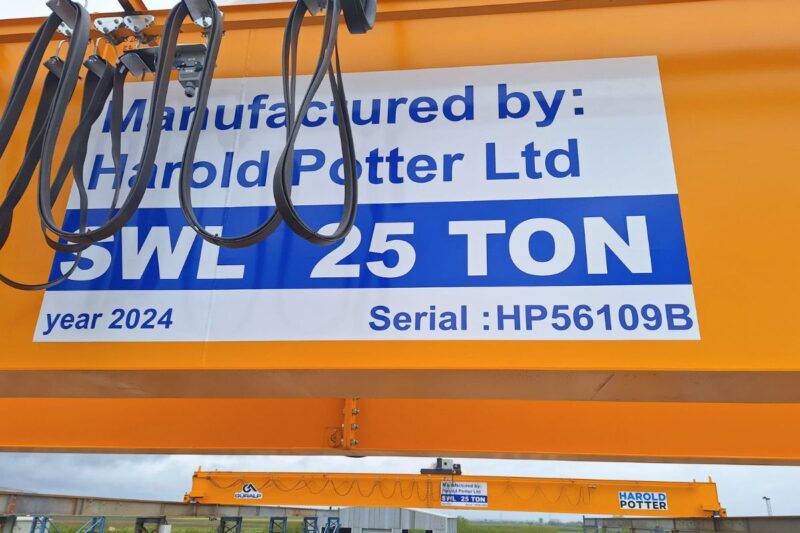
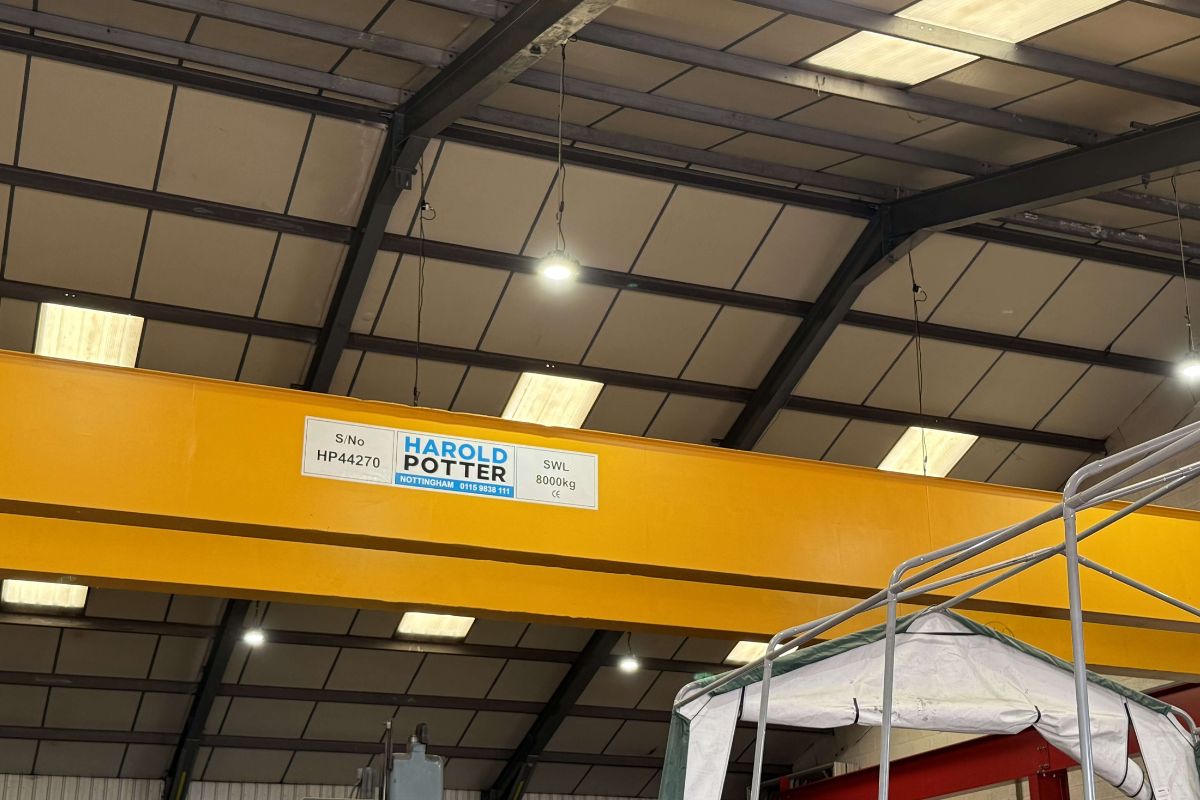
The SWL should be clearly marked on the crane or lifting equipment. It is commonly displayed on the crane beam, near the hoist, on hooks or lifting attachments, and on identification plates or labels.

Under LOLER regulations, lifting equipment must clearly show its Safe Working Load.

What Happens If You Exceed the SWL?

Exceeding the Safe Working Load can create serious safety risks.

Overloading a crane may cause structural cracking, excessive stress on components, hoist or motor damage, tipping, instability, or lifting failure. Repeated overloading can also shorten crane lifespan and increase maintenance costs.

What Affects a Crane’s SWL?

Several factors can affect lifting capacity.

These include crane span, lifting height, load position, lifting angle, crane configuration, environmental conditions, and the condition of lifting components.

Some cranes may have different SWL limits depending on operating setup or attachment type.

Is SWL a Legal Requirement?

Yes. In the UK, lifting equipment must comply with LOLER regulations.

LOLER requires lifting equipment to operate within safe limits, display Safe Working Loads clearly, and remain properly maintained and inspected.

How Is SWL Checked During Inspections?

During inspections, engineers check identification markings, load rating plates, lifting accessories, hooks, hoists, structural integrity, and signs of overload damage.

Inspectors also verify that the crane is suitable for its intended lifting tasks.

SWL and Crane Safety

Understanding Safe Working Load is essential for safe lifting operations.

Correct load assessment helps prevent accidents, protect workers, reduce equipment damage, maintain compliance, and improve crane lifespan.

SWL should always be considered before any lifting operation begins.

Summary

SWL stands for Safe Working Load and refers to the maximum weight a crane or lifting device can safely handle. Operating within SWL limits is essential for maintaining safety, protecting equipment, and complying with UK lifting regulations.

All crane operators and businesses using lifting equipment should always understand and follow Safe Working Load limits.

Contact Us

Do you need a new or refurbished used crane that is LOLER compliant, SWL labelled, and tailored specifically to your business? Get in touch today with our expert team at Harold Potter.

Posted on

What Is a LOLER Inspection? A Full UK Guide

What Does LOLER Stand For?

LOLER stands for Lifting Operations and Lifting Equipment Regulations 1998. It is part of UK workplace health and safety law.

Who Does LOLER Apply To?

LOLER applies to employers, site managers, crane operators, maintenance companies, construction firms, manufacturing facilities, and any business responsible for lifting equipment.

If a business owns, controls, or operates lifting equipment, it is legally responsible for compliance.

What Equipment Is Covered by LOLER?

LOLER applies to overhead cranes, gantry cranes, goliath and semi goliath cranes, jib cranes, lifting and spreading beams, hoists, shackles, hooks, forklift lifting attachments, and other lifting accessories.

In simple terms, if equipment is used to lift or lower a load, LOLER usually applies.

What Is Required for LOLER Compliance?

Equipment Must Be Safe to Use

Lifting operations must be properly planned and carried out safely using suitable equipment.

Equipment Must Be Regularly Inspected

Most lifting equipment must be inspected every 12 months. Equipment used for lifting people must usually be inspected every 6 months.

More frequent inspections may be required for heavily used equipment. For example if a crane is operation every day, all day.

Equipment Must Be Properly Maintained

Cranes and lifting equipment must be serviced regularly and repaired when faults or wear are identified.

Equipment Must Be Clearly Marked

Lifting equipment must display its Safe Working Load (SWL) and other relevant identification markings.

Inspection Records Must Be Kept

Businesses must keep inspection reports, maintenance records, and documentation showing compliance with LOLER regulations.

What Gets Checked During a LOLER Inspection?

A LOLER inspection checks the structural condition of the crane, lifting components, hooks, wire ropes, chains, brakes, electrical systems, controls, limit switches, and safety devices.

Inspectors also review maintenance history and compliance documentation.

What Causes a Crane to Fail a LOLER Inspection?

Common reasons include worn wire ropes, damaged hooks, brake problems, electrical faults, structural cracks, corrosion, overloaded components, and missing inspection records.

Even small defects can result in failure if safety is affected.

What Happens If You Fail a LOLER Inspection?

If a crane or lifting device fails inspection, it may be removed from service immediately until repairs are completed.

The equipment may require re-inspection before it can legally return to operation.

Serious safety issues can also result in enforcement action or insurance complications.

Who Is Responsible for LOLER Compliance?

Responsibility usually falls to the employer or business operating the lifting equipment.

In some cases, site managers or equipment owners may also share legal responsibility.

How Often Should LOLER Inspections Be Done?

Most lifting equipment requires inspection every 12 months.

Equipment used for lifting people normally requires inspection every 6 months.

More frequent inspections may be necessary depending on usage levels and operating conditions.

Why LOLER Compliance Matters

LOLER compliance helps reduce workplace accidents, improve safety, prevent equipment failure, and maintain legal compliance.

Regular inspections also help identify faults early before they become major safety risks or expensive repairs.

Summary

LOLER is the UK legal framework that ensures lifting equipment is safe, regularly inspected, and properly maintained.

Businesses using cranes or lifting equipment must comply with LOLER regulations to reduce risk, protect workers, and meet legal safety requirements.

Contact Us 

If after reading this guide you believe your crane or lifting equipment needs a LOLER inspection, contact our expert team today. We can arrange recurring inspections based on your operations and equipment to ensure you’re always LOLER compliant.