
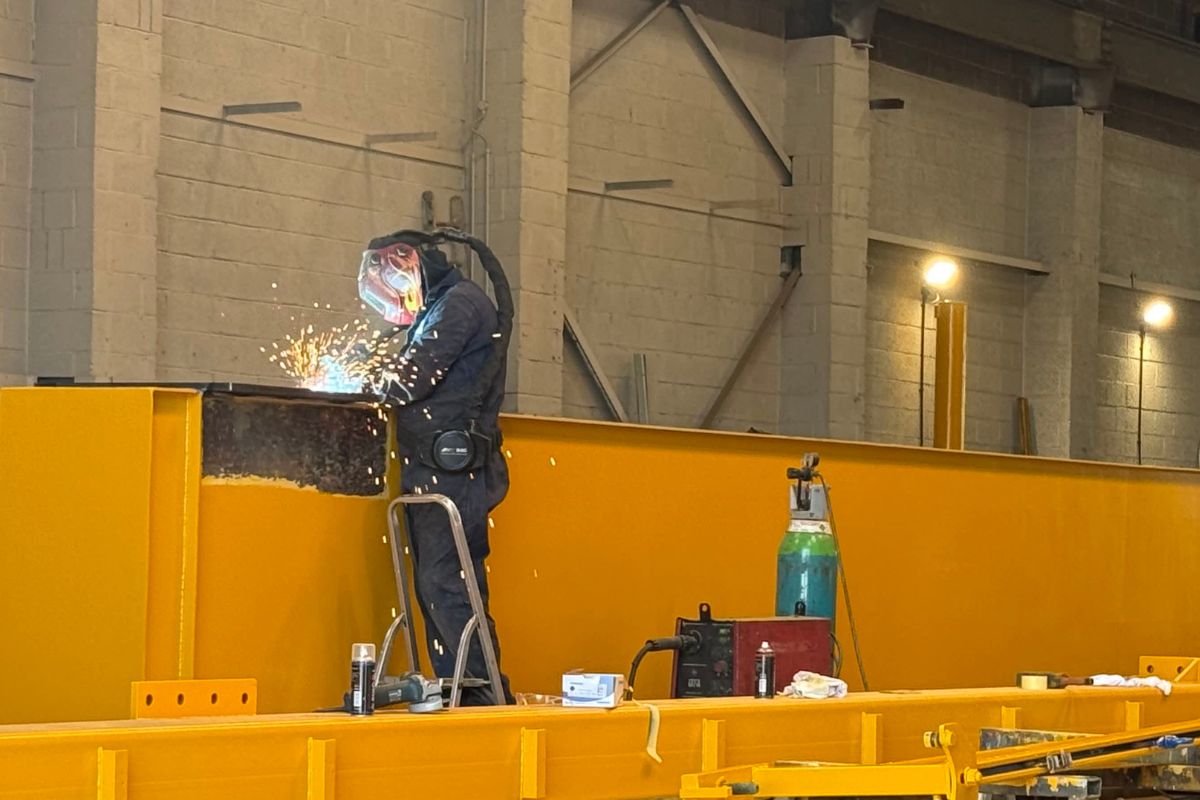
Maintenance for your cranes and lifting equipment is essential. Maintaining the safety, the quality, and the production rate of your equipment stems from maintenance checks and inspections. As for maintenance there are usually two routes that a business opts to go for. Preventative maintenance or reactive maintenance. This article will highlight what those are, the differences between them, and what is typically recommended.
Preventative Maintenance:
Preventative maintenance is a proactive approach to crane maintenance. Whereby you prepare and schedule regular maintenance checks. Typical preventative maintenance includes routine inspections of mechanical and electrical components, lubrication of moving parts, load testing and safety checks, and replacement of parts that have been subject to wear and tear.
Reactive Maintenance:
Reactive maintenance is a strategy whereby you only arrange maintenance checks after a fault or breakdown to your equipment has occurred – so you’re reacting to the issue, rather than preparing for any potential issues.
Key Difference between Preventative Maintenance and Reactive Maintenance:
Preventative maintenance is scheduled and proactive, aiming to prevent failures before they happen.
Reactive maintenance is unplanned and responsive, addressing problems only after they occur.
Preventative maintenance provides predictability, allowing businesses to budget for servicing and avoid downtime. Reactive maintenance, on the other hand, can lead to sudden downtime, emergency repair costs, and operational delays.
Advantages of Preventative Maintenance:
Regular inspections and servicing help identify faults before they become major problems, and expensive ones. This significantly reduces the risk of accidents, therefore protecting operators. By addressing issues early, preventative maintenance reduces the likelihood of unexpected breakdowns. This keeps operations running smoothly and avoids costly disruptions. Regular scheduled care ensures that crane components are kept in good condition, reducing wear and tear. This extends the overall life of the equipment and delays the need for replacement, therefore reducing the need to spend on new equipment more often, leading to lower long-term costs.
Fixing small issues early is far more cost-effective than dealing with severe failures later. Scheduled maintenance helps businesses stay compliant with safety regulations and industry standards. It also provides a clear maintenance history, which is valuable for record-keeping and inspections.
Advantages of Reactive Maintenance:
Reactive maintenance does not require ongoing schedules, which can reduce upfront costs. Businesses only pay for repairs when issues arise, meaning in theory if there are no issues with the equipment then costs will be lower. Reactive maintenance can be appropriate for cranes or components that are rarely used or not essential to daily operations, where downtime has minimal impact.
Drawbacks of Preventative Maintenance:
Although preventative maintenance is a method of preparation, unforeseen circumstances can still take place and lead to having to schedule another service on top of the regular preventative checks. Potentially leading to further spending on maintenance checks compared to a reactive method. With preventative checks, you require great planning. It requires methodical scheduling, updates, and record-keeping, as well as planning skills for the necessary downtime while the service takes place.
Drawbacks of Reactive Maintenance:
Relying on a reactive maintenance strategy seems to be the riskier approach. Unforeseen issues with machinery may lead to higher costs due to the need for an emergency call out and increased down time if emergency checks aren’t available. More severe issues with the machinery may occur compared to cranes that are having more regular maintenance checks, which again, could lead to more expensive problems.
Reactive maintenance may carry further risk to the operators who are using the equipment. Carrying heavy loads with machinery that isn’t 100%, can lead to serious consequences. Additionally, if the machinery doesn’t comply with safety regulations when the time for that inspection comes around, then the legal consequences could be huge. That could then lead to much higher costs through fines, or having to buy parts or new machinery, and lead to further downtime, meaning a less productive business.
Overview:
While reactive maintenance may seem convenient in terms of only fixing an issue when it occurs, it has a much higher rate of risk attached to it. Preventative maintenance may have higher upfront costs with more regular checks, but in the long-term costs should be lower. As any potential issues have been identified before they become serious issues. The safety of operators and compliance with industry standards and regulations also gives a sense of security and compliance compared to reactive maintenance.
For businesses looking to get the most out of their equipment, improvement safety, and lower long-term costs then a preventative maintenance strategy is the superior strategy.
If you would like to schedule regular maintenance checks and adopt a preventative maintenance strategy then contact our team on 01159 838 111 or fill in our contact form here.