If your business uses cranes, hoists, or any form of lifting equipment, you are legally required to ensure it is safe to operate. A LOLER inspection (Lifting Operations and Lifting Equipment Regulations 1998) is a thorough examination designed to confirm that your equipment is safe, compliant, and fit for purpose. At Harold Potter, we provide professional LOLER inspections in the UK, at affordable prices. We help businesses meet their legal obligations while protecting both employees and operations.
You can read our full LOLER guide here.
What is a LOLER Inspection?
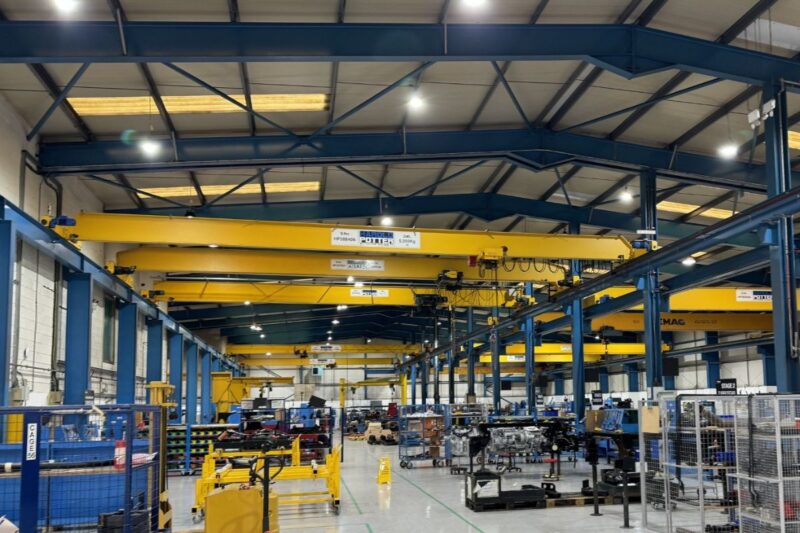
A LOLER inspection involves a detailed check of all critical components, including structural elements, mechanical parts, safety features, and load-bearing systems. Depending on the type of equipment and its use, inspections are typically required every 6 or 12 months. Our qualified inspectors carry out these examinations efficiently and with minimal disruption to your business. Upon completion, you’ll receive a clear, fully compliant report highlighting any defects or recommended actions. If any issues are identified, our team can support you immediately with our maintenance and repair services. Or we can assist with sourcing replacement parts through our obsolete crane spares service.
Regular LOLER inspections are essential not only for legal compliance but also for preventing accidents, reducing downtime, and extending the lifespan of your equipment. Failing to carry out inspections can lead to serious safety risks, potential fines, and invalidated insurance. By scheduling routine inspections with Harold Potter, you can ensure your lifting equipment remains safe, reliable, and fully operational.
What Happens During a LOLER Inspection?
During a LOLER inspection, also known as a thorough examination, a competent person will assess the condition of the crane and its lifting components to ensure they remain safe to operate. A competent person is someone with the necessary knowledge, training, qualifications and practical experience to carry out a thorough examination of lifting equipment and identify any defects that could affect its safe operation. The inspection is designed to identify defects, wear, damage or deterioration that could affect the safe use of the equipment.
A LOLER inspection may include examining the crane structure, hoist, hooks, chains, wire ropes, controls, safety devices and other critical components. The inspector will look for signs of excessive wear, corrosion, damage, misalignment or any issues that could compromise safety or performance.
Following the inspection, a detailed report is provided outlining the findings of the examination. Any defects identified will be categorised according to their severity, along with recommendations for corrective action where required. Regular LOLER inspections help businesses maintain compliance with lifting equipment regulations, improve workplace safety and identify potential issues before they develop into more significant problems.
Why Choose Harold Potter for LOLER Inspections?
Harold Potter has extensive experience inspecting cranes and lifting equipment for businesses across the UK. Our competent engineers carry out thorough examinations in accordance with LOLER regulations, helping customers maintain compliance while ensuring lifting equipment remains safe and suitable for continued use.
We understand that inspections need to be completed efficiently to minimise disruption to operations. Our team provides detailed reports, clear recommendations and practical support should any defects or issues be identified. With a focus on safety, compliance and customer service, we help businesses manage their lifting equipment with confidence.
Harold Potter is built on quality workmanship, reliable support and long-term customer relationships. Our successful projects and customer testimonials demonstrate our commitment to delivering professional LOLER inspection services that customers can trust.
Frequently Asked Questions
How often do LOLER inspections need to be carried out?
In most cases, lifting equipment must be inspected every 12 months, while equipment used for lifting people typically requires inspection every 6 months. However, the exact frequency can vary depending on usage, environment, and risk level, so it’s important to follow a schedule.
How long does a LOLER inspection take?
The duration depends on the type and number of lifting equipment being inspected. A single crane or hoist may take anywhere from 1–3 hours. While larger sites with multiple assets may require a full day or more. We always aim to minimise disruption and can schedule inspections around your operations where possible.
What happens if a fault is found during an inspection?
If a fault is identified, it will be clearly detailed in your inspection report along with recommended actions. In cases where there is a serious safety risk, the equipment may need to be taken out of service until repairs are completed. Our team can quickly assist with repairs or help source parts to get your equipment back up and running safely.
What Equipment Requires a LOLER Inspection?
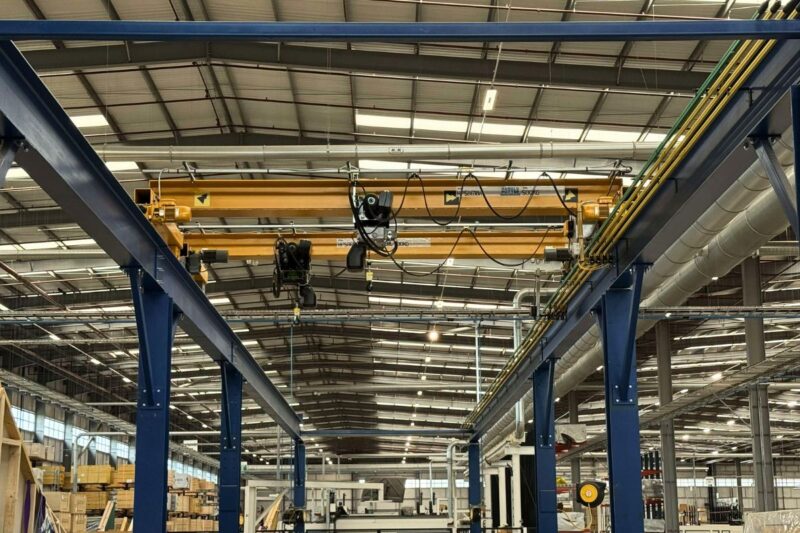
LOLER inspections apply to a wide range of lifting equipment used in the workplace, including overhead cranes, gantry cranes, goliath cranes, swing jib cranes hoists, lifting beams, lifting accessories and other equipment used for lifting or lowering loads. Regular inspections help ensure equipment remains safe, compliant and suitable for continued use.
Why are LOLER Inspections Important?
LOLER inspections play a vital role in maintaining workplace safety and ensuring lifting equipment complies with current regulations. Regular thorough examinations can help identify wear, damage and developing faults before they become serious issues, reducing the risk of accidents, equipment failure and costly downtime.
Not sure when your next LOLER inspection is due?
Related Crane Guides
What is a LOLER Inspection? – A full guide
Should you repair or replace your crane?
5 signs your crane needs servicing
Preventative vs reactive maintenance – what’s the best strategy?
Contact our team on 01159 838 111 today to book an inspection, or get expert advice on your compliance requirements.