
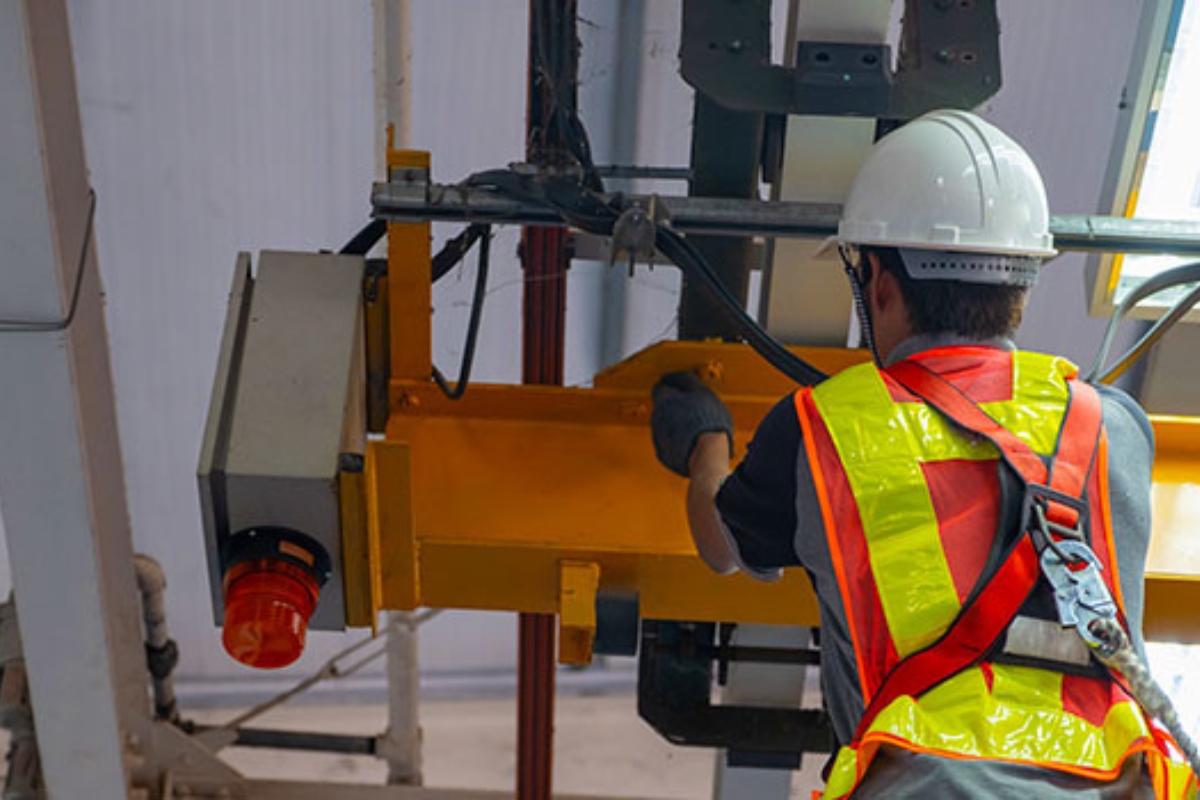
Regular crane servicing and maintenance are essential to ensure lifting equipment remains safe, reliable, and compliant with UK regulations such as LOLER. Over time, even well-maintained overhead cranes and lifting systems will begin to show signs of wear or reduced performance.
Recognising these early warning signs can help prevent costly breakdowns, minimise downtime, and protect both operators and equipment. Below are five key indicators that your crane may require servicing or inspection.
Visible Signs of Wear
One of the clearest signs that your crane needs servicing is visible wear and tear on components. Lifting equipment operates under significant stress, and over time this can lead to deterioration.
Common examples include frayed or damaged wire ropes, corrosion on structural steelwork, worn hooks, or stretched chains. You may also notice paint flaking, cracks forming in key load-bearing areas, or excessive wear on wheels and rails.
While some wear is expected, excessive or uneven damage can compromise the safety and performance of the crane. If wear is left unaddressed, then it can lead to component failure. Regular crane inspections and servicing ensure that worn parts are identified early and either repaired or replaced before they become a serious risk.
Slow or Inconsistent Movement
If your crane is no longer operating smoothly, this is often a sign of underlying mechanical or electrical issues. Slow, jerky, or inconsistent movement can affect lifting precision and reduce overall efficiency. This may be caused by motor wear, ageing electrical components, or faults within the control system.
Inconsistent movement is more than just an inconvenience—it can indicate that key systems are beginning to fail. Addressing these issues through routine maintenance helps restore performance and prevents more extensive damage developing over time.
Unusual Noises During Operation
Cranes should operate with a consistent and predictable sound. If you begin to hear unusual noises such as grinding, it is often a warning sign that something is wrong.
These noises can be linked to worn bearings, misaligned components, damaged gears, or brake issues. In some cases, they may indicate a lack of lubrication or internal damage within the hoist mechanism.
Ignoring these sounds can allow minor faults to escalate into major failures, potentially leading to unplanned downtime or costly repairs. Identifying the source of the noise and resolving the issue is key before it worsens.
Failure to Hold Load
A crane that struggles to hold a load securely is a serious safety concern and requires immediate attention. If you notice any slipping, drifting, or inability to maintain position under load, the equipment should be taken out of operation straight away.
This issue is often caused by brake failure, hoist faults, or worn internal components within the lifting mechanism. Overloading or prolonged use without servicing can also contribute to this problem.
Failure to hold a load not only risks damage to materials but also poses a significant danger to personnel. Prompt inspection and repair are essential to ensure the crane can operate safely and reliably.
Crane Operator Concerns
Crane operators are often the first to detect subtle changes in performance. Operator feedback should never be overlooked, as it can highlight issues that are not immediately visible during routine checks.
Operators may report reduced responsiveness, unusual handling, or general concerns about the safety or reliability of the equipment. These observations are valuable indicators that servicing may be required.
Encouraging open communication and acting on operator concerns early can help prevent small issues from developing into more serious mechanical faults or safety risks.
Why Regular Crane Servicing Is Essential
Routine crane servicing and preventative maintenance play a vital role in keeping lifting equipment safe and operational. In addition to reducing the risk of breakdowns, regular servicing ensures compliance with LOLER regulations and helps extend the lifespan of your equipment.
By addressing issues early, businesses can avoid costly downtime, improve efficiency, and maintain a safe working environment.
Book Your Crane Service Today
If your crane is showing any of these signs, it’s important to act quickly. Delaying maintenance can result in increased repair costs, operational disruption, and potential safety hazards.
Contact our experienced team today to arrange professional crane servicing and inspections.
Call us on 01159 838 111
Fill in our contact form by clicking here