What Does LOLER Stand For?
LOLER stands for Lifting Operations and Lifting Equipment Regulations 1998. It is part of UK workplace health and safety law.
Who Does LOLER Apply To?
LOLER applies to employers, site managers, crane operators, maintenance companies, construction firms, manufacturing facilities, and any business responsible for lifting equipment.
If a business owns, controls, or operates lifting equipment, it is legally responsible for compliance.
What Equipment Is Covered by LOLER?
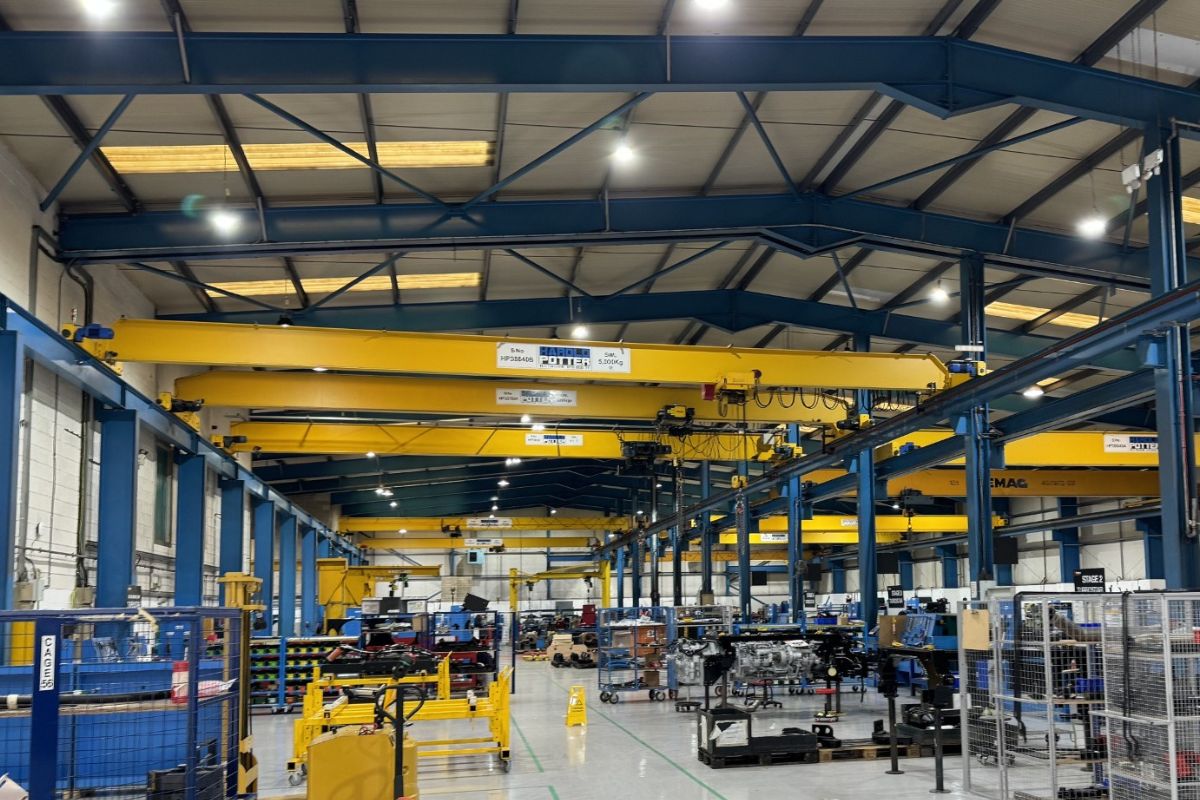
LOLER applies to overhead cranes, gantry cranes, goliath and semi goliath cranes, jib cranes, lifting and spreading beams, hoists, shackles, hooks, forklift lifting attachments, and other lifting accessories.
In simple terms, if equipment is used to lift or lower a load, LOLER usually applies.
What Is Required for LOLER Compliance?
Equipment Must Be Safe to Use
Lifting operations must be properly planned and carried out safely using suitable equipment.
Equipment Must Be Regularly Inspected
Most lifting equipment must be inspected every 12 months. Equipment used for lifting people must usually be inspected every 6 months.
More frequent inspections may be required for heavily used equipment. For example if a crane is operation every day, all day.
Equipment Must Be Properly Maintained
Cranes and lifting equipment must be serviced regularly and repaired when faults or wear are identified.
Equipment Must Be Clearly Marked
Lifting equipment must display its Safe Working Load (SWL) and other relevant identification markings.
Inspection Records Must Be Kept
Businesses must keep inspection reports, maintenance records, and documentation showing compliance with LOLER regulations.
What Gets Checked During a LOLER Inspection?
A LOLER inspection checks the structural condition of the crane, lifting components, hooks, wire ropes, chains, brakes, electrical systems, controls, limit switches, and safety devices.
Inspectors also review maintenance history and compliance documentation.
What Causes a Crane to Fail a LOLER Inspection?
Common reasons include worn wire ropes, damaged hooks, brake problems, electrical faults, structural cracks, corrosion, overloaded components, and missing inspection records.
Even small defects can result in failure if safety is affected.
What Happens If You Fail a LOLER Inspection?
If a crane or lifting device fails inspection, it may be removed from service immediately until repairs are completed.
The equipment may require re-inspection before it can legally return to operation.
Serious safety issues can also result in enforcement action or insurance complications.
Who Is Responsible for LOLER Compliance?
Responsibility usually falls to the employer or business operating the lifting equipment.
In some cases, site managers or equipment owners may also share legal responsibility.
How Often Should LOLER Inspections Be Done?
Most lifting equipment requires inspection every 12 months.
Equipment used for lifting people normally requires inspection every 6 months.
More frequent inspections may be necessary depending on usage levels and operating conditions.
Why LOLER Compliance Matters
LOLER compliance helps reduce workplace accidents, improve safety, prevent equipment failure, and maintain legal compliance.
Regular inspections also help identify faults early before they become major safety risks or expensive repairs.
Summary
LOLER is the UK legal framework that ensures lifting equipment is safe, regularly inspected, and properly maintained.
Businesses using cranes or lifting equipment must comply with LOLER regulations to reduce risk, protect workers, and meet legal safety requirements.
Contact Us
If after reading this guide you believe your crane or lifting equipment needs a LOLER inspection, contact our expert team today. We can arrange recurring inspections based on your operations and equipment to ensure you’re always LOLER compliant.