
Posted on

What Is SWL on a Crane? A Full Guide to Safe Working Load

SWL stands for Safe Working Load. It is the maximum load a crane or lifting device can safely lift, carry, or lower under normal operating conditions.

The SWL is set by the manufacturer and must never be exceeded during lifting operations.

Why Is SWL So Important?

SWL is one of the most important safety limits on any crane or lifting device.

Exceeding the Safe Working Load can lead to structural damage, crane instability, wire rope failure, brake failure, dropped loads, and serious workplace accidents. Following SWL limits helps ensure lifting operations remain safe and legally compliant.

How Is SWL Calculated?

The Safe Working Load is calculated by the manufacturer based on crane design, structural strength, lifting configuration, hoist capacity, stability limits, and safety factors. Engineers test cranes and lifting equipment to determine the maximum load they can safely handle during operation.

Where Is the SWL Displayed on a Crane?

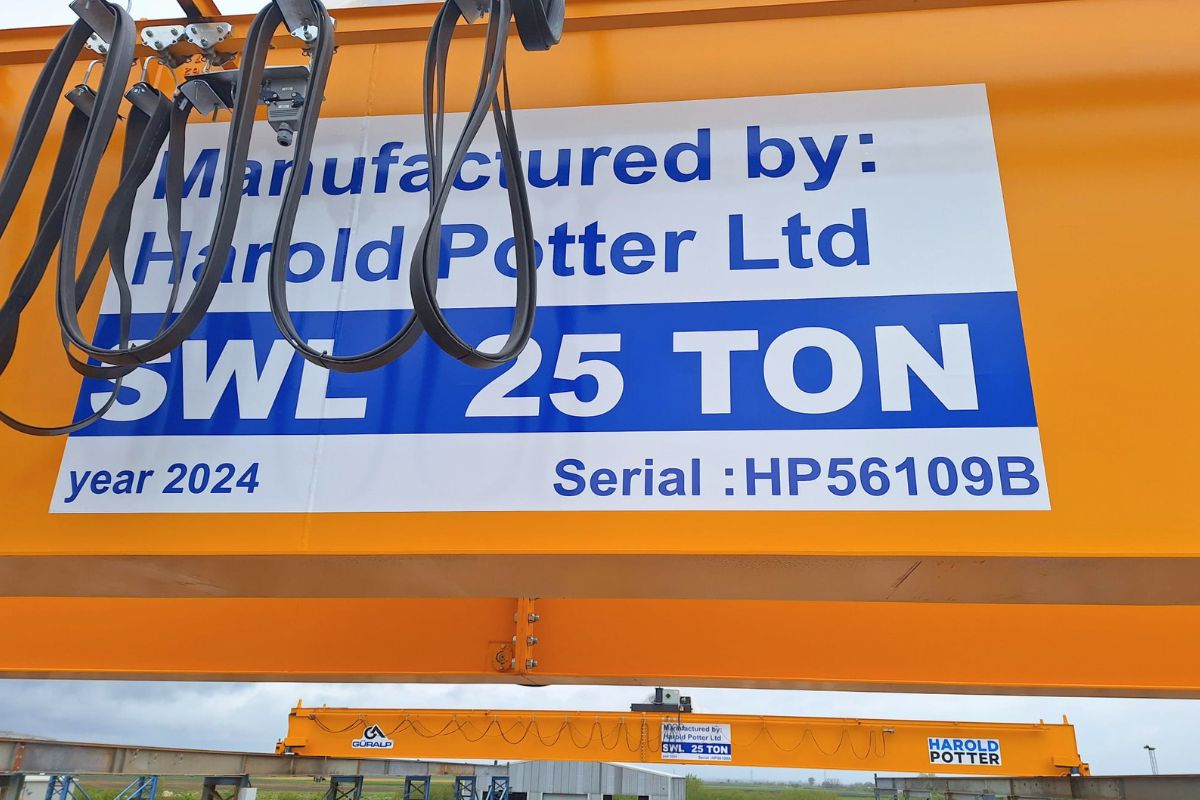
The SWL should be clearly marked on the crane or lifting equipment. It is commonly displayed on the crane beam, near the hoist, on hooks or lifting attachments, and on identification plates or labels.

Under LOLER regulations, lifting equipment must clearly show its Safe Working Load.

What Happens If You Exceed the SWL?

Exceeding the Safe Working Load can create serious safety risks.

Overloading a crane may cause structural cracking, excessive stress on components, hoist or motor damage, tipping, instability, or lifting failure. Repeated overloading can also shorten crane lifespan and increase maintenance costs.

What Affects a Crane’s SWL?

Several factors can affect lifting capacity.

These include crane span, lifting height, load position, lifting angle, crane configuration, environmental conditions, and the condition of lifting components.

Some cranes may have different SWL limits depending on operating setup or attachment type.

Is SWL a Legal Requirement?

Yes. In the UK, lifting equipment must comply with LOLER regulations.

LOLER requires lifting equipment to operate within safe limits, display Safe Working Loads clearly, and remain properly maintained and inspected.

How Is SWL Checked During Inspections?

During inspections, engineers check identification markings, load rating plates, lifting accessories, hooks, hoists, structural integrity, and signs of overload damage.

Inspectors also verify that the crane is suitable for its intended lifting tasks.

SWL and Crane Safety

Understanding Safe Working Load is essential for safe lifting operations.

Correct load assessment helps prevent accidents, protect workers, reduce equipment damage, maintain compliance, and improve crane lifespan.

SWL should always be considered before any lifting operation begins.

Summary

SWL stands for Safe Working Load and refers to the maximum weight a crane or lifting device can safely handle. Operating within SWL limits is essential for maintaining safety, protecting equipment, and complying with UK lifting regulations.

All crane operators and businesses using lifting equipment should always understand and follow Safe Working Load limits.

Contact Us

Do you need a new or refurbished used crane that is LOLER compliant, SWL labelled, and tailored specifically to your business? Get in touch today with our expert team at Harold Potter.
Posted on

What Is a LOLER Inspection? A Full UK Guide

What Does LOLER Stand For?

LOLER stands for Lifting Operations and Lifting Equipment Regulations 1998. It is part of UK workplace health and safety law.

Who Does LOLER Apply To?

LOLER applies to employers, site managers, crane operators, maintenance companies, construction firms, manufacturing facilities, and any business responsible for lifting equipment.

If a business owns, controls, or operates lifting equipment, it is legally responsible for compliance.

What Equipment Is Covered by LOLER?

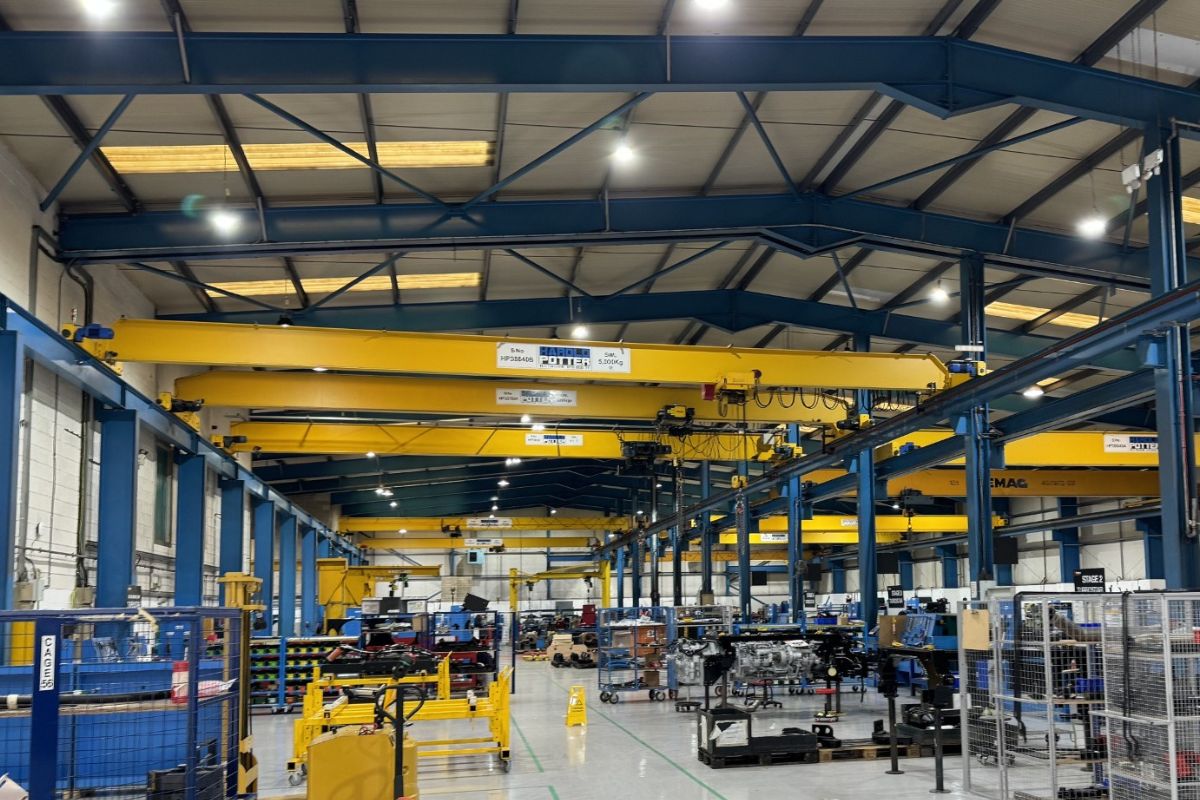
LOLER applies to overhead cranes, gantry cranes, goliath and semi goliath cranes, jib cranes, lifting and spreading beams, hoists, shackles, hooks, forklift lifting attachments, and other lifting accessories.

In simple terms, if equipment is used to lift or lower a load, LOLER usually applies.

What Is Required for LOLER Compliance?

Equipment Must Be Safe to Use

Lifting operations must be properly planned and carried out safely using suitable equipment.

Equipment Must Be Regularly Inspected

Most lifting equipment must be inspected every 12 months. Equipment used for lifting people must usually be inspected every 6 months.

More frequent inspections may be required for heavily used equipment. For example if a crane is operation every day, all day.

Equipment Must Be Properly Maintained

Cranes and lifting equipment must be serviced regularly and repaired when faults or wear are identified.

Equipment Must Be Clearly Marked

Lifting equipment must display its Safe Working Load (SWL) and other relevant identification markings.

Inspection Records Must Be Kept

Businesses must keep inspection reports, maintenance records, and documentation showing compliance with LOLER regulations.

What Gets Checked During a LOLER Inspection?

A LOLER inspection checks the structural condition of the crane, lifting components, hooks, wire ropes, chains, brakes, electrical systems, controls, limit switches, and safety devices.

Inspectors also review maintenance history and compliance documentation.

What Causes a Crane to Fail a LOLER Inspection?

Common reasons include worn wire ropes, damaged hooks, brake problems, electrical faults, structural cracks, corrosion, overloaded components, and missing inspection records.

Even small defects can result in failure if safety is affected.

What Happens If You Fail a LOLER Inspection?

If a crane or lifting device fails inspection, it may be removed from service immediately until repairs are completed.

The equipment may require re-inspection before it can legally return to operation.

Serious safety issues can also result in enforcement action or insurance complications.

Who Is Responsible for LOLER Compliance?

Responsibility usually falls to the employer or business operating the lifting equipment.

In some cases, site managers or equipment owners may also share legal responsibility.

How Often Should LOLER Inspections Be Done?

Most lifting equipment requires inspection every 12 months.

Equipment used for lifting people normally requires inspection every 6 months.

More frequent inspections may be necessary depending on usage levels and operating conditions.

Why LOLER Compliance Matters

LOLER compliance helps reduce workplace accidents, improve safety, prevent equipment failure, and maintain legal compliance.

Regular inspections also help identify faults early before they become major safety risks or expensive repairs.

Summary

LOLER is the UK legal framework that ensures lifting equipment is safe, regularly inspected, and properly maintained.

Businesses using cranes or lifting equipment must comply with LOLER regulations to reduce risk, protect workers, and meet legal safety requirements.

Contact Us 

If after reading this guide you believe your crane or lifting equipment needs a LOLER inspection, contact our expert team today. We can arrange recurring inspections based on your operations and equipment to ensure you’re always LOLER compliant.