Crane prices are variable depending on a multitude of factors. The type of crane you choose whether than be an Overhead Crane, Gantry Crane, Goliath or Semi-Goliath Crane, or Swing Jib Crane is predominantly a huge factor in price. Larger cranes such as goliath cranes with a longer span and higher Safe Working Loads (SWL) will cost much more than a swing jib crane with a 500kg SWL for example.
There is no fixed price for a type of crane as each crane is designed specifically to an application. Other factors include additional steelwork, any changes to the building’s foundations, different hoists, single girder vs double girder and more.
Safe Working Load
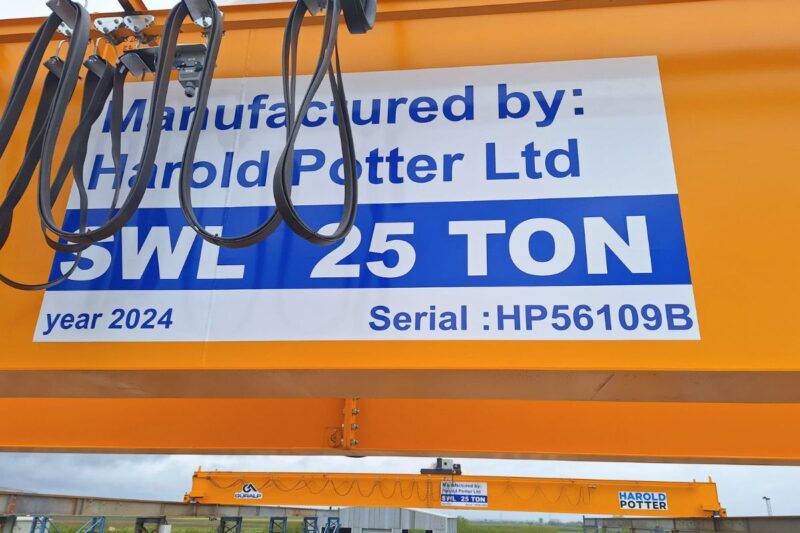
Safe Working Load is the maximum load a crane can safely lift, carry, or lower under normal operating conditions. The SWL is set by the manufacturer and must never be exceeded during lifting operations.
SWLs vary depending on the type of crane and its intended application. A crane used to lift heavy steel fabrications in a manufacturing facility or large materials in a yard will require a much higher SWL than one used to lift small pallets or components during a production process. As the crane’s lifting capacity increases, so does the amount of steel, engineering, and supporting structure needed to safely handle the load. This typically results in a higher overall crane cost.
Span
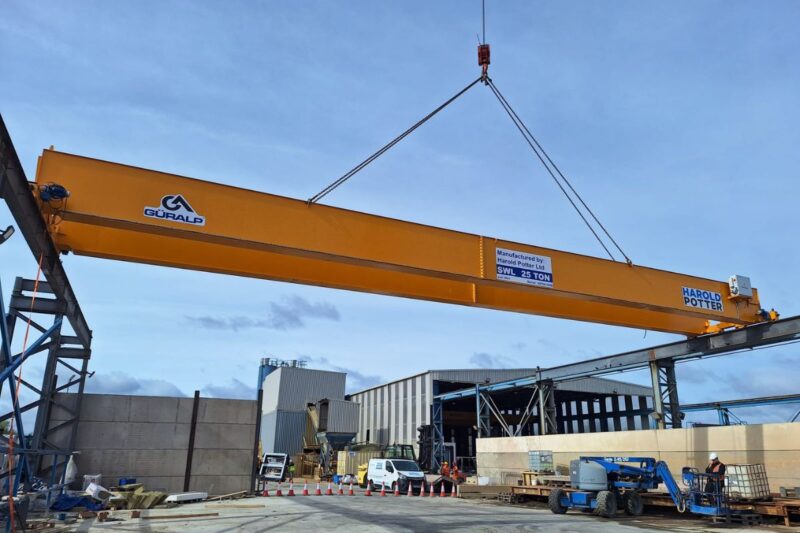
The span is the distance between the crane’s runway beams. A longer span means the crane must bridge a wider gap, requiring larger and stronger steel girders to safely support the load. As more materials and engineering are needed, the overall cost of the crane increases. Span is an important factor for overhead, gantry, goliath and semi-goliath cranes. For swing jib cranes, the length of the jib arm is the equivalent factor affecting cost.
Lifting Height
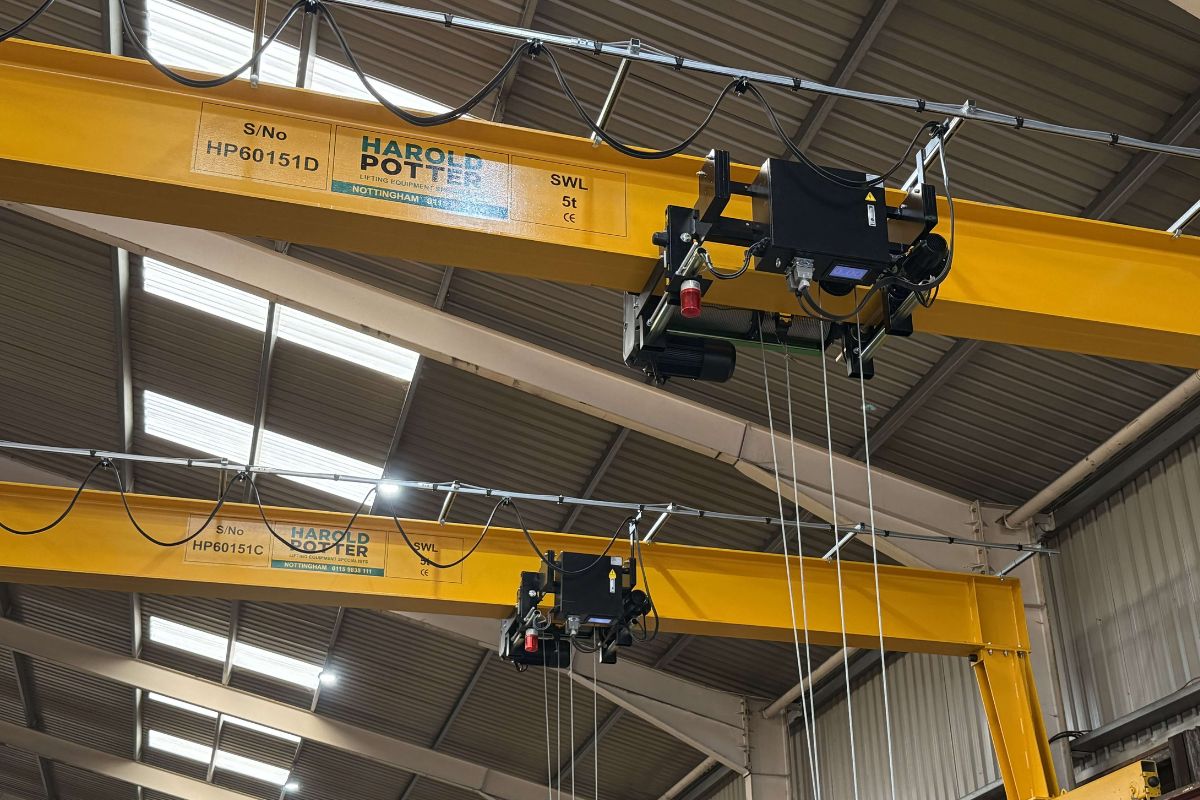
A lot of the variables follow similar patterns where if there is a requirement for extra steelwork or any further specialised design. In the case of lifting height, a higher lifting height may require a different hoist selection, or design solutions to stool up the bridge girder as we did for this installation of 4x5T overhead gantry cranes. Further alterations may come in the form of building modifications to extend the height of the building. This will drive up the price much more compared to a different hoist selection and may require a 3rd party.
Single Girder vs Double Girder
Single girder cranes typically cost less than double girder cranes. The simplest reason being that a single girder only uses one beam, whereas a double girder uses two so there’s less steel used. Single girders are used for lower lifting capacities in smaller overhead and gantry cranes whereas double girders are used for heavier lifting so naturally a more complex crane that is designed for heavier lifting will cost more.
Additionally, like other factors which influence the cost of a crane, the structural design is a big factor. In some cases, depending on workshop, bay space or the impact of the weight on the building or steelwork, both single and double girder solutions may work but the double girder solution may be recommended due to protecting the longevity of the crane by splitting the load across two girders rather than maxing a single one out.
Double girder solutions will likely also grant you extra lifting height as the hoist sits on top of the beams which may or may not be necessary in your case, it is business dependent.
Duty Classification/Usage Frequency
Frequency of use, also known as the crane’s duty classification, has a significant impact on cost. A crane used occasionally or one that does light lifting does not need to be built to the same specification as one operating continuously in a busy manufacturing facility that lifts heavy loads. Cranes designed for frequent or heavy-duty use require more robust components to withstand the increased workload, resulting in a higher overall cost.
For example, a single girder crane carrying heavy loads frequently is placed under greater structural stress than a double girder crane lifting the same load. A double girder design distributes the forces across two main girders, creating a stronger and more rigid structure that is better suited to heavier loads, longer spans and more demanding applications.
Crane that are used 24/7 or used heavily will also require more frequent inspections and servicing to ensure all the components of the crane are safe and operating how they are designed to be.
Installation and Transport
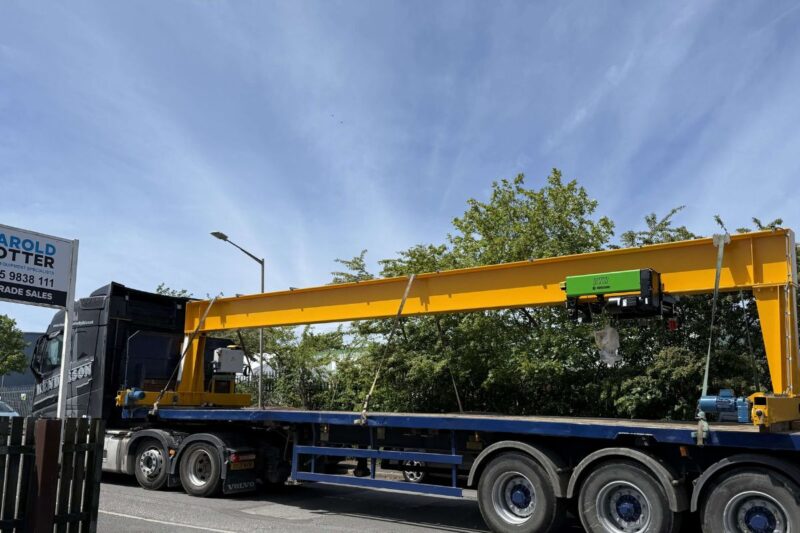
Installation and transport can have a significant impact on the overall cost of a crane. Larger cranes, such as goliath cranes with long girders, are more complex to transport and often require specialist haulage, lifting equipment and additional planning. Installation can also vary depending on the site, with factors such as access restrictions, additional steelwork, runway systems and building modifications all affecting the time and labour required. In comparison, smaller cranes such as swing jib cranes or lightweight gantry cranes are generally quicker and simpler to transport and install, helping to reduce overall project costs.
Future Costs
When budgeting for a crane, it’s important to consider the ongoing costs as well as the initial purchase price. Regular servicing and LOLER inspections are essential to keep the crane safe, reliable and compliant. Cranes that operate frequently or in demanding environments typically require more regular maintenance and inspections than those used only occasionally, resulting in higher long-term running costs.
How To Get an Accurate Crane Quote
The best way to get an accurate crane quote is to provide as much information as possible about your lifting requirements. This includes the type of materials you need to lift, the maximum Safe Working Load, whether the crane will be used indoors or outdoors, the available headroom, the required span and any other site-specific requirements.
Arranging a site visit allows our team to assess your premises, discuss your operational needs and determine whether there are multiple crane solutions that could suit your application. This helps us provide the most accurate quotation possible, allowing you to budget for your investment with confidence.
The more information you can provide, the more accurate and tailored your quote will be.
You can fill out our contact form below or call us on 01159 838111.